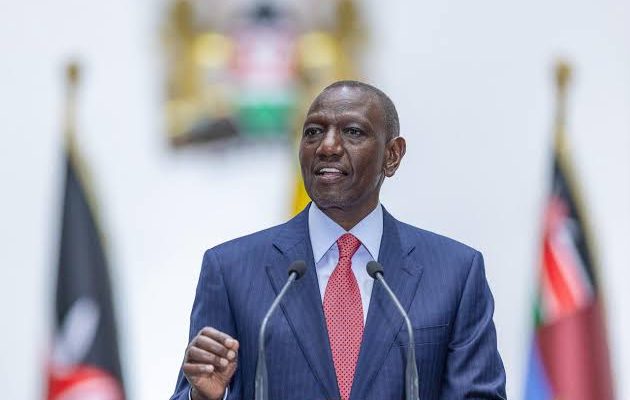
Robert Mulyungi advocates greater youth participation in Africa’s industrial development.
Robert Mulyungi urges African economies to support young entrepreneurs through finance, skills and regional markets.
Robert Mulyungi has called for youth-led industrialisation to help Africa create jobs and retain more wealth from its resources. His message centred on giving young entrepreneurs a stronger role in manufacturing and regional trade.
Mulyungi serves as Youth President and a country development board member of the Intercontinental Confederation of Chambers of Commerce and Enterprises (ICCCE). He emphasised these priorities at the COMESA Summit and Business Forum in Harare, Zimbabwe.
The 25th Common Market for Eastern and Southern Africa summit took place on October 22, 2026. It brought together regional leaders, policymakers, investors and business representatives to discuss inclusive industrialisation, investment and regional integration.

Youth-led industrialisation needs practical support
Mulyungi argued that youth inclusion must extend beyond declarations at conferences. Young entrepreneurs also need finance, mentorship, skills, technology and access to regional markets to build sustainable businesses.
Without that support, he warned, young people risk remaining outside the economic transformation intended to benefit them. His approach therefore places youth participation at the centre of both policy design and implementation.
For young people, the priorities discussed in Harare offer opportunities beyond competing for scarce formal jobs. They also create scope for participation in manufacturing, technology, trade and enterprise development.
Adding value to Africa’s resources
Mulyungi maintained that Africa needs stronger productive capacity so local businesses can capture more value from natural resources. Rather than exporting commodities for processing elsewhere, he advocated developing industries within the continent.
The conference also highlighted opportunities in agriculture, manufacturing, critical minerals and green industries. These sectors could enable young innovators to develop local products, create employment and join regional supply chains.
Discussions further focused on stronger regional value chains and investment in infrastructure and technology. Participants also highlighted easier cross-border trade and greater involvement by small and medium-sized enterprises.
Turning regional cooperation into business opportunities
Member states reaffirmed that regional cooperation must deliver tangible economic benefits under the summit’s “One Market, One Future” vision. Priorities included opening markets, improving transport and trade infrastructure, and harmonising procedures.
These measures would also help entrepreneurs reach customers across borders. For Mulyungi, the next challenge is translating commitments into practical programmes that support youth enterprises, expand manufacturing and create decent employment.