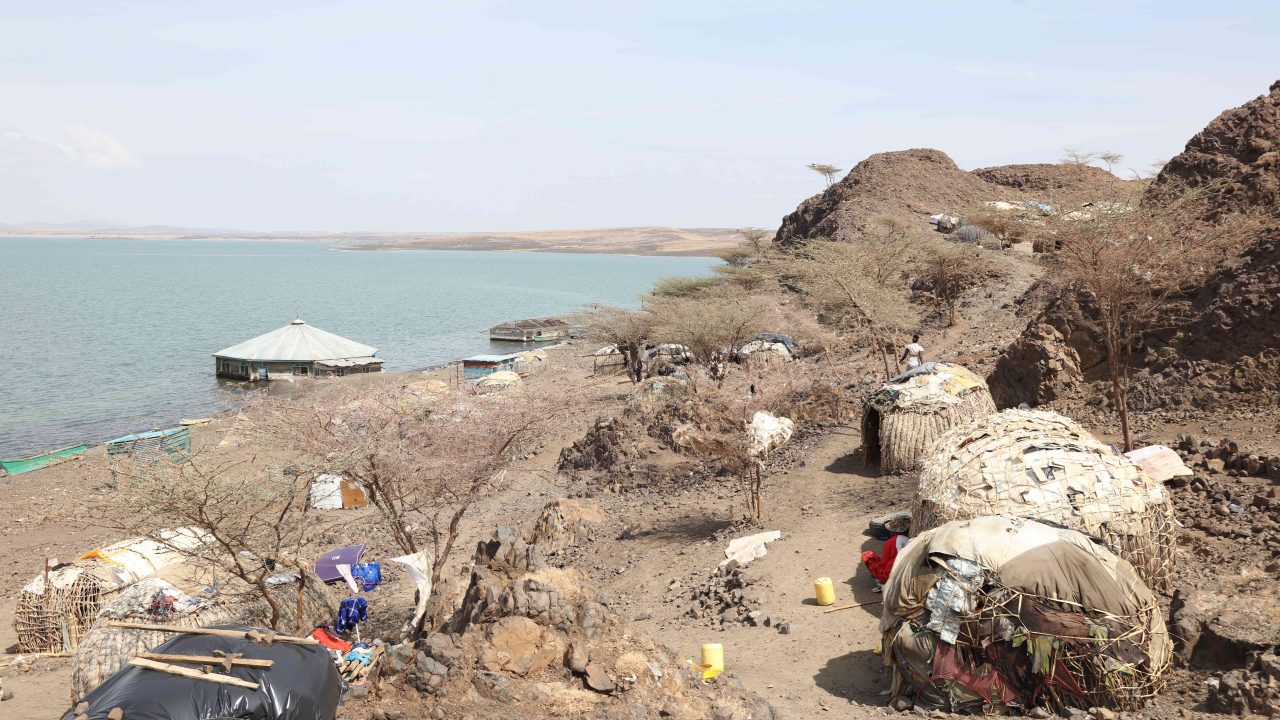
The El Molo community around Lake Turkana is turning to cultural tourism to support livelihoods.
The Lake Turkana community is turning to cultural visits to support households and preserve its heritage, even as visitor numbers decline.
El Molo tourism is offering an alternative livelihood as the community faces growing pressures on fishing around Lake Turkana. Residents are turning to cultural experiences to earn income and preserve their endangered heritage.
The community lives mainly along the lake’s southeastern shores in Marsabit County. Unlike neighbouring Samburu and Turkana pastoralists, the El Molo have traditionally depended on fishing for food and trade.
However, residents say demand for fish has declined while fishing and transport costs have risen. Changes in water levels have also disrupted fishing grounds and breeding areas.

El Molo tourism supports household needs
Local tour guide and youth representative Severio Lenapir said cultural tourism could help vulnerable households, including widows. It could also help children access education as families seek alternatives to fishing income.
Visitors support food supplies, school transport and other basic needs, he said. The area offers a cultural shrine, traditional homes and artefacts that introduce visitors to the community’s way of life.
Fishing activities, boat rides and island visits also form part of the attractions. However, Lenapir said fewer tourists now visit compared with previous years.
Taxes and other costs further limit the income households receive from tourism, he added. Lenapir therefore called for stronger promotion to attract visitors and expand earning opportunities for residents.
Preserving identity across generations
The 2019 national census counted 1,104 people who identified as El Molo. That small population adds to concerns about the future of the community’s traditions amid economic and social change.
Generations of intermarriage with neighbouring communities have also contributed to shifts in cultural identity. Meanwhile, the loss of the El Molo language has left residents increasingly reliant on Samburu.
Lenapir described marriage as another factor shaping community membership. He said the community no longer considers a girl El Molo if she marries outside it.
The Loiyangalani Desert Cultural Museum also supports efforts to document and preserve El Molo heritage. Its work records traditions, customs and community history.
Tourism promotion and travel challenges
The Kenya Tourism Board is promoting domestic travel and cultural experiences in the area. Efforts also aim to expand accommodation capacity for visitors.
However, reaching the region remains challenging because of rough roads, making four-wheel-drive vehicles advisable. Travellers should also prepare for temperatures reaching 38 degrees Celsius and take precautions against scorpions.