

Bolt and Uber Riders Protest Over Low Fares in Nairobi
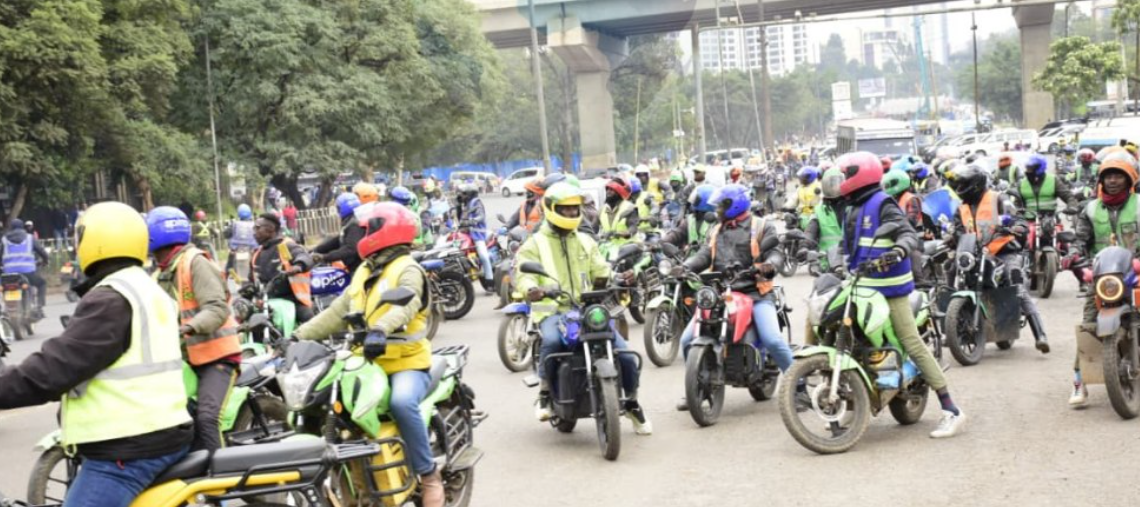
On Monday, May 25, 2026, digital transport operators and boda boda riders staged protests across Nairobi over low fare rates imposed by ride-hailing platforms.
Drivers working with Bolt and Uber accused the apps of enforcing unfair pricing structures.
Consequently, demonstrations disrupted transport operations in several parts of Nairobi during the protests.
Operators argued that current fare systems continue hurting workers despite rising fuel prices nationwide.
Riders Accuse Apps of Exploiting Workers
Protesting riders claimed the platforms deliberately suppress trip prices to attract more passengers.
According to operators, some trips now cost between KSh 150 and KSh 180 within Nairobi.
However, drivers insist those rates cannot sustain vehicle maintenance, fuel, and daily operating costs.
Additionally, operators complained about long pickup distances that further increase fuel expenses.
Many riders argued they now operate at heavy financial losses daily.
Consequently, frustration among drivers and boda boda operators continues rising sharply.
High Fuel Prices Deepen the Crisis
The protests come shortly after fresh fuel price reviews by the Energy and Petroleum Regulatory Authority.
Drivers argued that increased petrol and diesel prices have wiped out their remaining profits.
Furthermore, operators accused ride-hailing platforms of ignoring the country’s rising economic pressures.
Several protesters warned that many drivers risk leaving the industry if conditions remain unchanged.
Additionally, riders criticized the platforms for maintaining high commission deductions despite declining earnings.
READ ALSO: Matatu Strike Officially Ends After Ruto Talks
Drivers Launch Boycotts and Switch-Off Campaigns
To pressure the platforms, operators organized mass log-offs and switch-off campaigns across Nairobi.
Many drivers temporarily stopped accepting trips through the ride-hailing applications.
Consequently, some passengers experienced delays and limited transport availability during peak hours.
Operators also staged street demonstrations within Nairobi CBD and Kilimani areas.
Additionally, some drivers started charging passengers extra out-of-app cash fees to cover operational costs.
Several operators introduced flat KSh 200 surcharges beyond the app-generated prices.
Riders Seek Government Intervention
Lobby groups representing drivers have now appealed to government regulators for urgent action.
The operators want the National Transport and Safety Authority and the Competition Authority of Kenya to introduce minimum fare regulations.
According to the groups, proper regulation would protect workers from exploitation and unstable pricing systems.
Furthermore, riders demanded fairer commission structures and transparent pricing adjustments.
Debate Over Gig Economy Intensifies
The protests have intensified conversations about Kenya’s growing gig economy and worker rights.
Many Kenyans online sympathized with the drivers and acknowledged the impact of rising fuel prices.
However, some passengers worried that higher fares could increase transport costs significantly.
As negotiations continue, Nairobi’s digital transport operators remain determined to push for fairer working conditions and sustainable earnings.