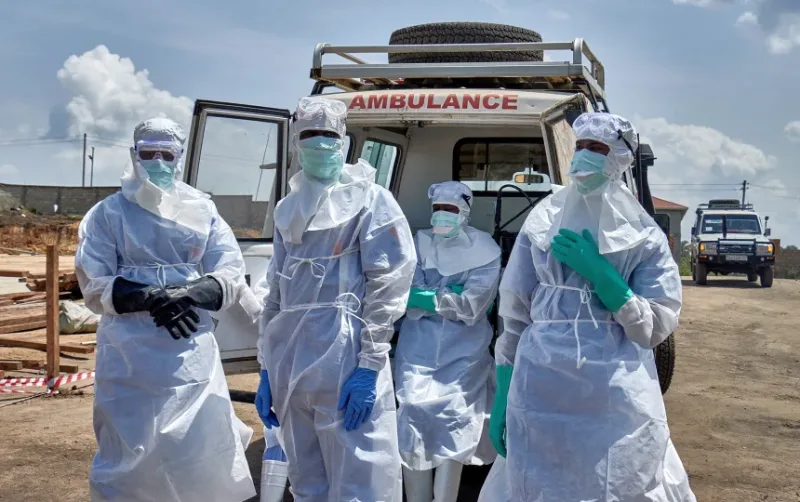
Saudi Arabia has imposed travel restrictions linked to Kenya’s Ebola outbreak.
Saudi Arabia has halted visas for travellers from Kenya and barred recent arrivals from Ebola-affected countries.
A Saudi travel ban has halted trips by Saudi citizens to Kenya amid concerns over Ebola. The kingdom has also suspended all visa categories for travellers arriving from Kenya and imposed entry restrictions.
Saudi authorities announced the measures on Friday, October 31, following a health assessment of the outbreak. Kenya had confirmed nine cases of the Bundibugyo virus, including two deaths, as of October 30.
Saudi travel ban includes arrivals through other countries
The entry restrictions also cover travellers reaching Saudi Arabia through other countries after recent stays in affected nations. They apply to anyone who visited Kenya or another Ebola-affected country within 21 days before arrival.

Saudi authorities described the restrictions as precautions to protect citizens, residents and visitors from Ebola transmission. The measures combine limits on outbound travel by Saudi citizens with restrictions on incoming travellers.
Meanwhile, the kingdom’s Public Health Authority, Weqaya, said the health situation inside Saudi Arabia remained stable. It also said it continued to monitor regional and international developments alongside relevant health agencies.
Saudi Arabia has previously imposed similar restrictions on countries facing Ebola outbreaks. These include the Democratic Republic of Congo, Uganda and South Sudan.
Kenya monitors patients and traces contacts
Kenyan health officials linked the outbreak to one cluster involving a man who travelled from the Democratic Republic of Congo. He passed through Uganda before reaching Nairobi. Eight others subsequently contracted the virus, including four relatives and four healthcare workers.
However, recent health updates indicated progress in containing the outbreak. Two of seven patients in isolation tested negative in initial checks and awaited repeat tests after 72 hours. The other five remained stable.
Kenya had also recorded three consecutive days without a new confirmed case. Health officials said they had found no evidence of community transmission.
The Ministry of Health traced 135 contacts linked to the outbreak. The first 20 completed mandatory 21-day monitoring and received clearance to return home on October 26.
Meanwhile, 98 contacts are due for phased release from November 3, subject to individual health assessments. Health officials also urged Kenyans not to stigmatise people who complete quarantine. They said those who meet the required monitoring conditions pose no risk to their communities.