President William Ruto called for investment in African manufacturing and technology transfer.
President William Ruto urges Russia to support African manufacturing, skills and local production, alongside affordable financing for industrial growth.
President William Ruto has called for Russian investment in African industries, technology transfer and skills development. He urged the continent to move beyond exporting raw materials and importing finished goods.
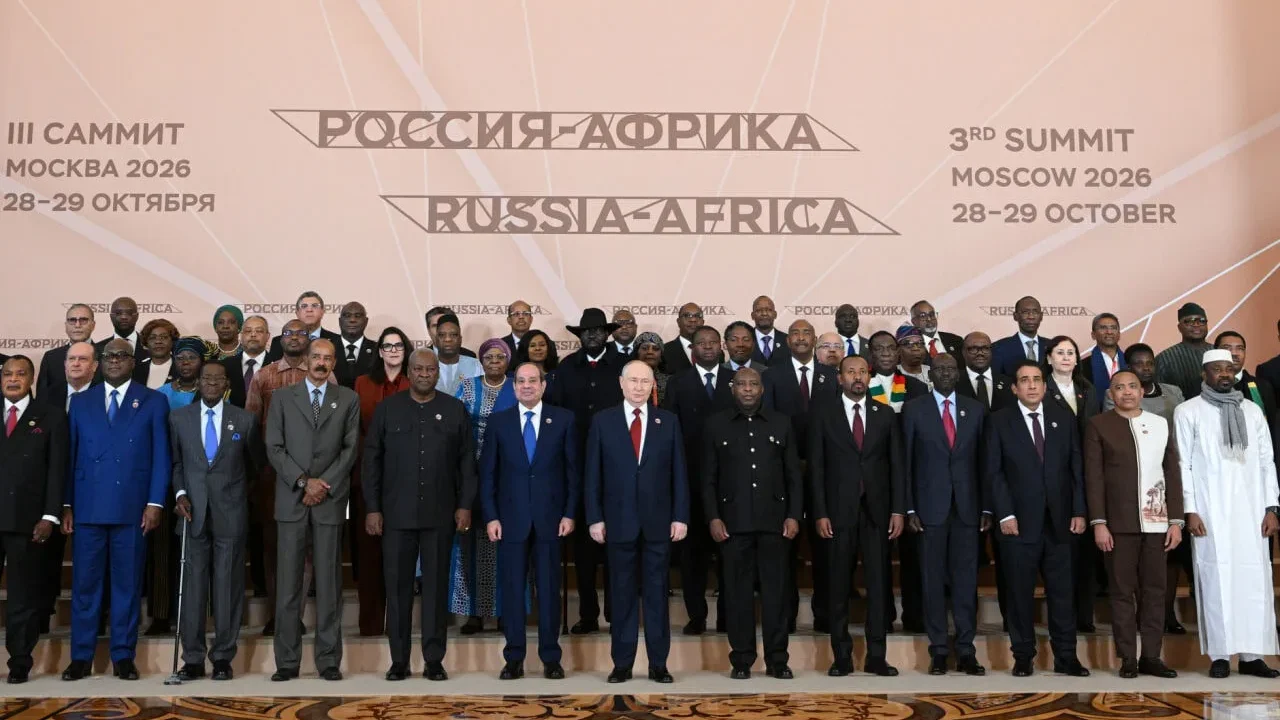
Speaking at the third Russia–Africa Summit in Moscow on Thursday, Ruto pressed for partnerships that build manufacturing capacity. He also called for investment that adds value to natural resources and creates jobs.
Ruto argued that a more productive Africa would benefit both the continent and its international partners. Rather than relying on raw material exports, he said, Africa should manufacture, innovate and compete globally.

Russian investment priorities for African industries
Agriculture offered an immediate opportunity for cooperation, Ruto said, highlighting affordable fertilisers and local fertiliser production. He also identified mechanisation, irrigation technology, agricultural research and agro-processing as priorities.
By producing more agricultural inputs locally, he argued, Africa could reduce import dependence and strengthen food security. Beyond farming, he sought cooperation in energy infrastructure, engineering, mineral processing and manufacturing.
Ruto said these investments should strengthen local industries and help African businesses compete in regional and global markets. Meanwhile, he highlighted the African Continental Free Trade Area and its market of 1.4 billion people. He described it as an opportunity to build regional value chains and expand production.
He also sought deeper cooperation in education, technical training, scientific research, digital technologies and artificial intelligence. Africa’s young people, he said, should develop technologies and build industries instead of simply consuming foreign innovations.
In healthcare, Ruto urged collaboration in pharmaceutical research and local vaccine manufacturing to strengthen production of essential medicines.
Climate finance and global reforms
Ruto also called for investment in climate adaptation, early-warning systems, drought-resilient agriculture and infrastructure that withstands climate risks. He cited Kenya’s renewable energy use, geothermal investment and green manufacturing as examples of industrialisation alongside climate responsibility.
As countries prepare for COP31, he urged affordable climate finance to support development and responses to climate risks. African nations, he argued, should tackle poverty and protect the environment together, with international support.
On financing, Ruto said high borrowing costs restricted developing countries’ ability to fund infrastructure and industrialisation. He therefore advocated affordable long-term financing and greater mobilisation of domestic and international capital.
He also backed an African Credit Rating Agency, alongside reforms to improve debt sustainability and encourage private investment.
Turning to global governance, Ruto renewed his call for permanent African representation on the United Nations Security Council. He pointed to the continent’s 54 countries and 1.4 billion people.
He also urged respect for sovereign equality, territorial integrity and peaceful dispute resolution. Ruto said the Russia–Africa Partnership Forum Action Plan for 2027–2029 should turn summit commitments into investment, industrial development and research opportunities.