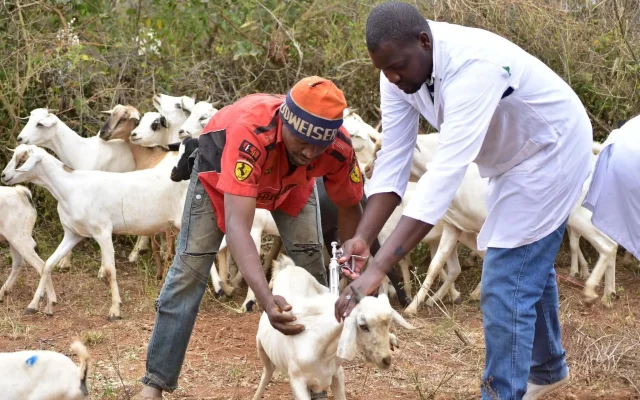


Sheep and goats are central to the rural livelihoods that Africa’s PPR eradication effort aims to protect.
Animal-health leaders want sustained investment in vaccines and veterinary services to eliminate sheep and goat plague and protect rural livelihoods.
African animal-health leaders are calling for sustained financing to eradicate Peste des Petits Ruminants (PPR), a deadly disease of sheep and goats, citing an economic assessment that puts the potential benefits at $33.80 for every dollar invested.
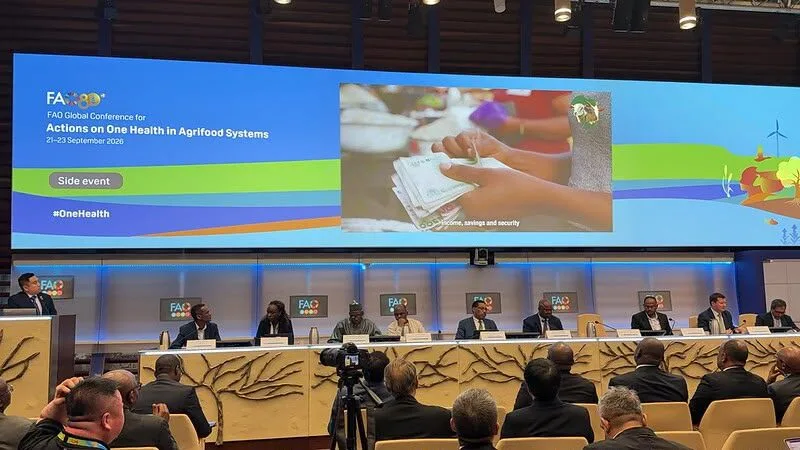
At a meeting in Rome, the leaders urged governments, international financial institutions, development banks and private investors to fund vaccination, disease surveillance and veterinary services. They said eliminating the virus would protect livestock-dependent households while strengthening food security and trade.
Known as sheep and goat plague, PPR does not infect humans. However, outbreaks can devastate herds that pastoralists and smallholder farmers rely on for food, income and household savings.
The economic case for eradication
A global economic assessment estimates that a 15-year eradication programme would cost $2.26 billion and generate about $76.5 billion in benefits. The projected return is central to the appeal for long-term financial commitments.
The funding would support vaccination campaigns, diagnostic services, surveillance, cold-chain infrastructure and veterinary care. These measures are needed both to prevent outbreaks and to determine whether efforts to stop transmission are working.
The Food and Agriculture Organization (FAO) estimates that PPR causes global economic losses of up to $2.1 billion annually. The disease has been confirmed in more than 70 countries across regions holding about 1.7 billion sheep and goats, roughly 80 per cent of the global total.
FAO says the virus can infect as many as 90 per cent of animals in a susceptible herd and kill up to 70 per cent of those infected.
Reaching mobile and remote herds
Experts at the meeting said effective, affordable vaccines make eradication technically possible. The difficulty lies in delivering them consistently, particularly to animals kept by remote and mobile pastoralist communities.
Successful campaigns require reliable cold chains and trained veterinary personnel. Countries also need stronger surveillance and monitoring after vaccination to establish whether the campaigns are interrupting the spread of the virus.
The financing appeal therefore extends beyond buying vaccine doses. It includes investment in the veterinary systems and infrastructure required to reach herds and track the results of vaccination programmes.
Protecting rural incomes and food supplies
Sheep and goats are especially valuable to poor rural households. They provide meat and milk, bring in income and offer a form of savings that families can draw on during economic hardship or climate stress.
FAO estimates that PPR threatens the livelihoods and assets of hundreds of millions of people who depend on small ruminants. Outbreaks can also disrupt food supplies and livestock trade by reducing animal numbers and production.
Participants in Rome said eradication would bring gains beyond disease control, including more secure rural incomes, stronger livestock markets and improved food security.
Cross-border coordination essential
Animal-health leaders warned that countries cannot eliminate PPR in isolation. Livestock movements across borders, shared grazing areas and trade routes allow the virus to spread, making coordinated vaccination and surveillance necessary.
They called for closer cross-border cooperation, transparent reporting of outbreaks and vaccination results, and sustained investment in veterinary systems.
The continental effort involves the Pan-African PPR Secretariat, the African Union Inter-African Bureau for Animal Resources (AU-IBAR), AU-PANVAC, FAO and the World Organisation for Animal Health (WOAH).