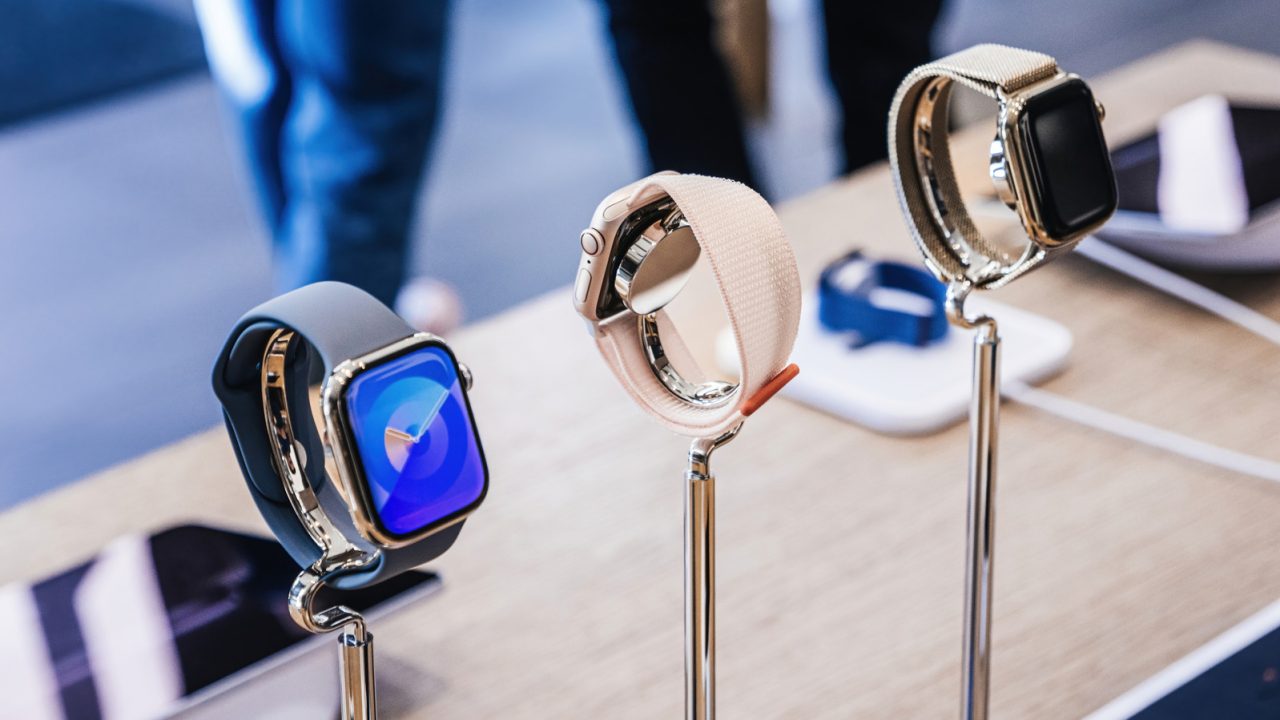
Apple Watch casing materials offer different levels of scratch and impact resistance.
Titanium offers stronger protection against knocks, while ceramic keeps its glossy finish with better resistance to scratches.
Apple Watch durability depends on the kind of damage buyers most want to avoid. Titanium offers better overall toughness, while ceramic provides greater resistance to surface scratches.
The distinction matters because hardness and strength do not mean the same thing. Ceramic is harder than titanium, helping it retain a smooth, glossy appearance. However, titanium handles sharp, concentrated impacts better, making it the stronger choice for long-term resilience.
Apple Watch durability: Scratches versus impacts
Ceramic suits buyers who place a high value on keeping their watch casing looking pristine. Its scratch resistance makes it useful for office wear, formal occasions and everyday situations involving light scuffing.

However, that hard surface does not make the casing immune to damage. A knock against a metal doorframe can pose a greater risk to ceramic than to titanium. Buyers therefore need to weigh cosmetic protection against resistance to harder blows.
Titanium offers a better balance for active users or people whose work exposes their watches to knocks. It tolerates concentrated impacts more effectively, although its surface does not resist scratches as well as ceramic.
The choice is therefore less about which material feels more premium and more about daily use. Ceramic prioritises a lasting polished finish, while titanium favours protection against drops and accidental collisions. Neither material eliminates the need for care.
Where aluminium and protective cases fit
Aluminium provides a lighter, less expensive alternative to the two premium casing materials. However, it is susceptible to dents and cosmetic scratches, so lower cost comes with a durability trade-off.
Screen protection also matters alongside the casing. Aluminium models use Ion-X glass rather than sapphire crystal, and that display glass is more vulnerable to damage. Buyers should therefore consider both the case and screen when comparing materials.
A separate protective case can reduce the risk of damage, regardless of the chosen watch material. However, it adds bulk and hides part of the premium finish that buyers pay for.
For overall resilience, titanium remains the strongest choice in this comparison. Ceramic instead suits buyers who prioritise scratch resistance, while aluminium offers a practical route to lower weight and cost.