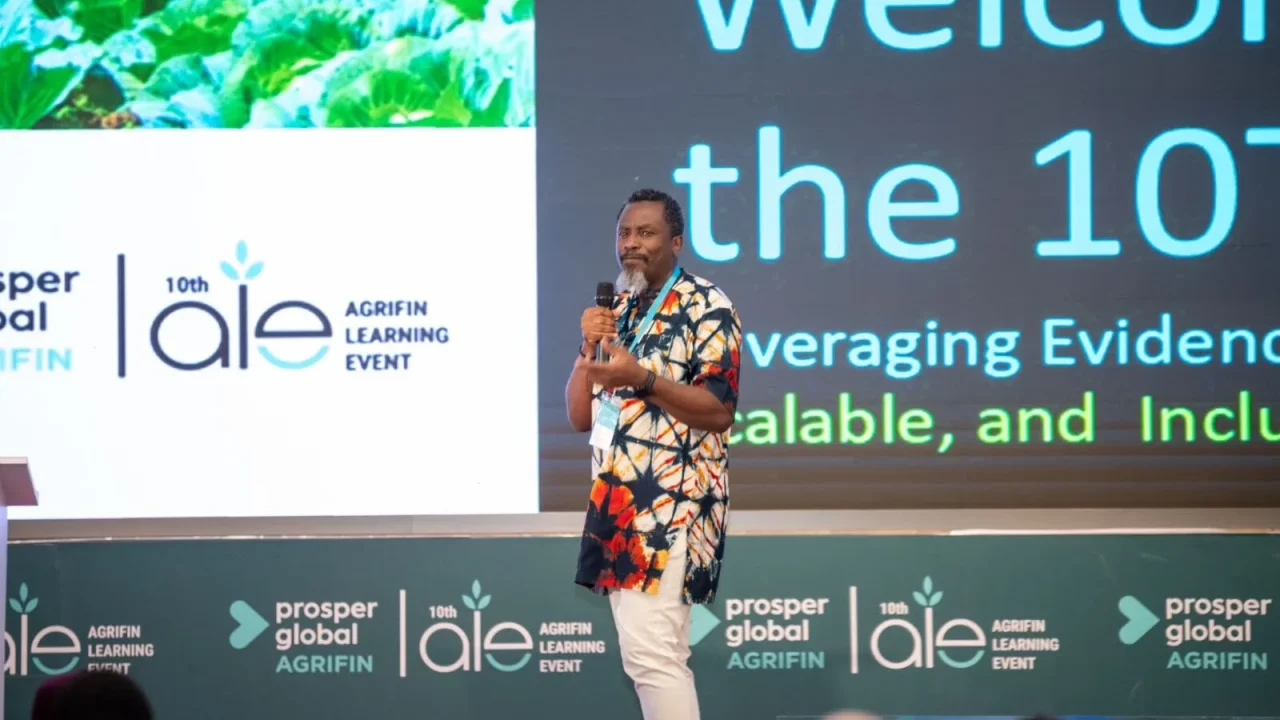
Agriculture stakeholders in Nairobi urge new financing models to keep farm advice, weather information and financial tools accessible beyond donor-funded projects.
Digital agriculture services face a sustainability test as pressure on development funding threatens support for smallholder farmers. Stakeholders meeting in Nairobi called for financing models that keep services running beyond donor-funded projects.
At the 10th AgriFin Learning Event on Tuesday, participants urged providers to develop viable businesses. These platforms offer agricultural advice, weather information and financial services, but must also cover technology and rural delivery costs.
Prosper Global AgriFin reports reaching more than 8.5 million smallholder farmers through digital information services, exceeding its five-million target. Women account for 41 per cent of those reached.
However, participants warned that wider access alone does not ensure long-term survival. Providers must also fund customer support while keeping services affordable for farmers.

Keeping digital agriculture services viable
Melaku Yirga, Prosper Global’s vice president for Africa, said the priority was building systems that sustain and expand tested solutions.
AgriFin began exploring mobile technology for agricultural information and financial services in 2012. Subsequent programmes supported digital services in Kenya, Ethiopia, Nigeria, Tanzania and Uganda.
Meanwhile, stakeholders identified high rural delivery costs, unpredictable weather, weak infrastructure and volatile agricultural markets as investment barriers. Lenders also struggle to assess farmers’ financial risk, restricting access to credit and other financial products.
Sieka Gatabaki, Prosper Global AgriFin’s programme director, said digital tools could help address some challenges through forecasts, advice and financial services. However, participants stressed that technology alone cannot make services viable.
Platforms must respond to farmers’ needs and work through trusted local networks. They also need infrastructure that allows them to reach rural communities.
Partnerships and evidence to guide investment
Participants called for governments, lenders, technology companies and development partners to coordinate investment and share delivery responsibilities. They identified public-private partnerships, domestic financing and blended funding as options for reducing dependence on external grants.
Jasmina Lipovic, AgriFin’s global finance operations and compliance director, said relationships with banks, agribusinesses and technology companies could sustain services. The programme is also adapting its operations and seeking more diverse funding sources.
Stakeholders said future financing should reflect evidence of usefulness, continued uptake and financial viability, rather than reach alone. Investment decisions should also consider whether farmers can afford continued use.
Innovation ecosystem leader Sheena Raikundalia urged investment in connections between finance, infrastructure, technology, markets and farmers. She also called for artificial intelligence and other emerging technologies to tackle specific agricultural challenges.