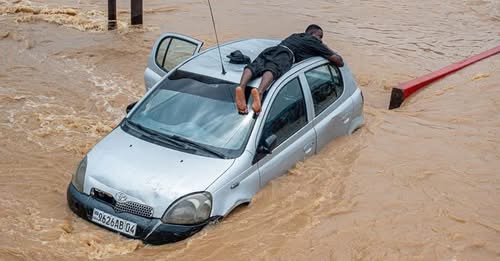
The framework supports early flood preparedness in Greater Horn of Africa cities.
The framework helps city leaders use climate forecasts, secure early funding and protect vulnerable communities before flooding strikes.
UN-Habitat and the Intergovernmental Authority on Development (IGAD) have launched an El Niño preparedness framework for Greater Horn of Africa cities. The guide aims to help local authorities act before flooding threatens urban communities.
Developed with the IGAD Climate Prediction and Applications Centre (ICPAC), it connects climate forecasts with practical municipal decisions. Its launch comes amid expectations of heavy rainfall in parts of the region, with informal settlements facing heightened risks.
El Niño preparedness through early action
The guide, titled El Niño Preparedness: An Anticipatory Action Framework for City Leaders, promotes planning before disasters occur. Rather than relying primarily on emergency responses, it encourages authorities to use forecasts and early warnings to prepare.

To support that shift, the framework outlines scenarios based on likely impacts and agreed triggers for action. It also sets out ways to mobilise resources, strengthen warning systems and protect critical infrastructure before floods strike.
Funding forms a central part of the approach because authorities need resources to implement early measures. Alongside financing, the guide stresses institutional arrangements that allow city leaders to make timely decisions.
Protecting communities and essential services
The framework also identifies preparedness measures for individual sectors to limit flooding, disease outbreaks and other climate-related hazards. It emphasises protecting vulnerable populations while maintaining essential services during emergencies. Informal settlements and other flood-prone neighbourhoods face particular exposure to extreme weather.
Meanwhile, the initiative places municipal and city governments at the centre of coordinated preparedness. It calls for cooperation among forecasting agencies, urban planners, emergency responders and local communities.
By connecting regional climate information with local planning, UN-Habitat and its partners aim to strengthen urban resilience. Their goal is to help authorities reduce loss of life and damage to infrastructure through earlier decisions.