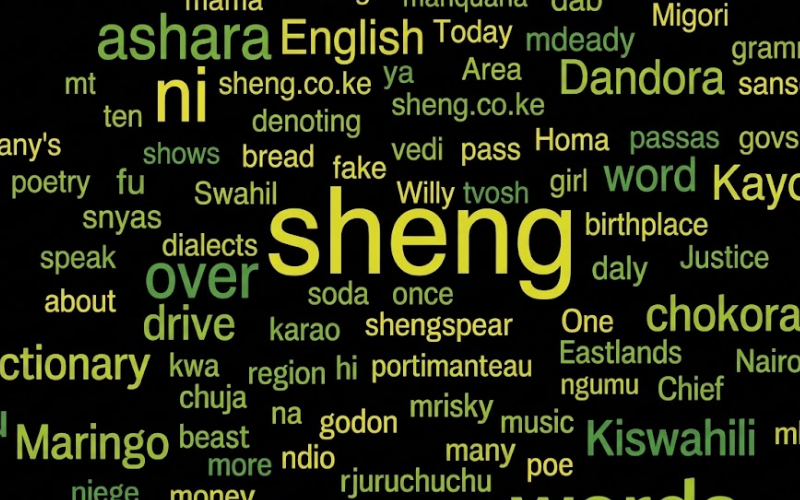
Miss Jackie sparked a debate about the Sheng phrases young Kenyans use.
The digital creator named four expressions she dislikes, drawing agreement from some users and a defence of youth slang from others.
Digital creator Miss Jackie has sparked an online debate after naming Gen Z Sheng phrases she finds irritating. In a video on her TikTok page, she singled out mafrumbanya, utat, nyang’anya and goshodo.
She said hearing young people use these expressions in everyday conversations puts her off. However, her comments divided social media users over the appeal of the slang and its place in youth culture.
Mixed reactions to Gen Z Sheng
Some users agreed with Miss Jackie, saying certain expressions sound awkward or suffer from overuse. Others, however, defended the phrases as part of Gen Z’s identity.

Several commenters argued that young people use the terms casually among friends, rather than to impress anyone. Many young Kenyans also maintained that slang helps them connect with peers and express themselves freely.
Meanwhile, other users took a humorous view, pointing out that every generation develops its own vocabulary. They noted that older generations’ favourite expressions may sound equally strange to young people today.
A wider conversation about changing language
The discussion also turned to how Sheng changes as speakers introduce and adopt new expressions. Some users described it as a living language that blends Swahili, English and various Kenyan languages.
Social media platforms such as TikTok have also helped spread new terms among young people. The debate extended beyond individual words to how Kenyan youth communicate online and offline.
Millennials, too, had popular slang during the 1990s and 2000s, including kobole, ponyi and kutuna. Those expressions no longer enjoy the same widespread use they once did among young Kenyans.
For some participants, today’s phrases represent creative expression; for others, they make conversations harder to follow. Despite the criticism, the terms remain part of many Gen Z conversations, even when other speakers dislike them.