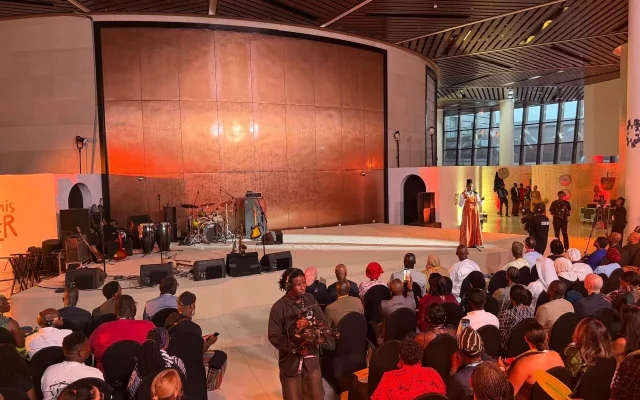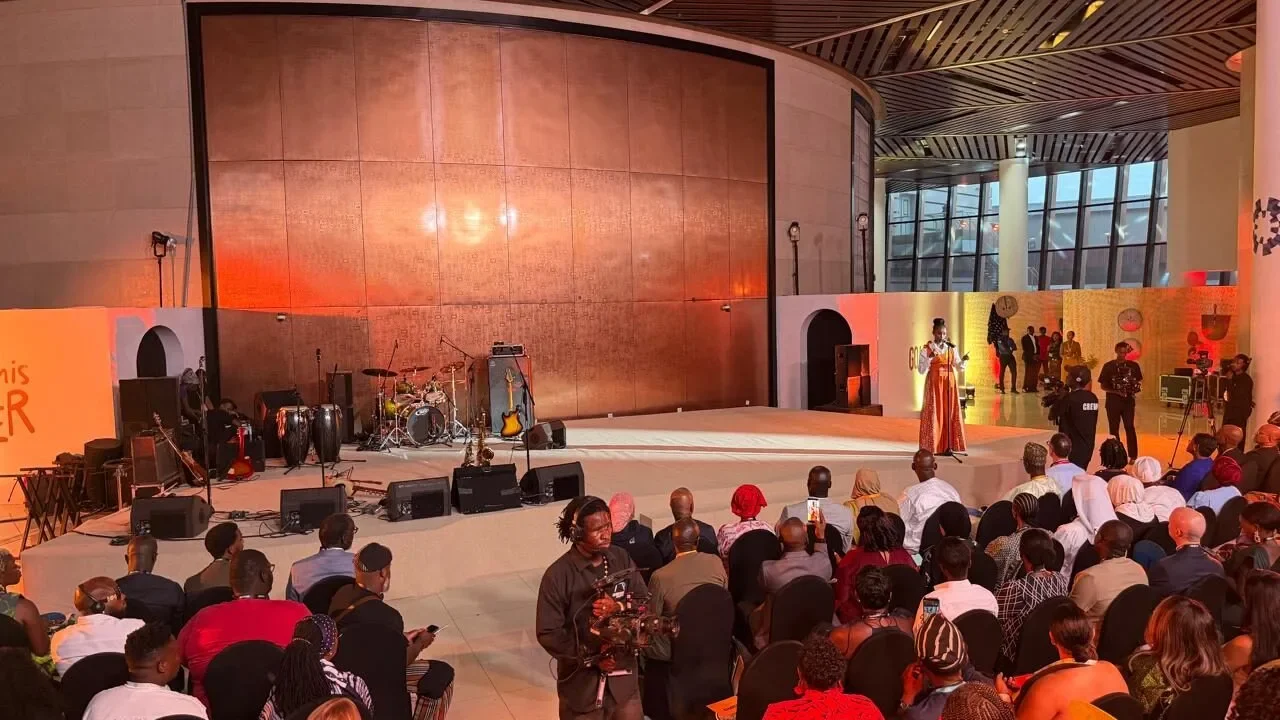
The Dakar gathering focused on equitable access to AI across Africa.
A Kenyan clinician and African innovators highlighted practical AI uses as the Gates Foundation outlined its push for equitable access.
African health workers, educators and innovators showcased practical artificial intelligence tools at Goalkeepers 2026 in Dakar, Senegal. Discussions focused on ensuring poorer communities benefit from advances in healthcare, education and agriculture.
The Gates Foundation held the gathering on October 29 at the Museum of Black Civilisations. Dakar hosted the event for the first time, with participants urging governments and technology companies to prioritise equitable access.
Goalkeepers 2026 highlights Kenyan healthcare experience
Vyonne Njeri, a clinical officer at Kenya’s Penda Health, described how AI helped flag a baby’s heart condition. The four-month-old had arrived at the clinic with fever and a runny nose.

However, a tool integrated into digital patient records detected elevated breathing and heart rates. Its alert prompted further examination and a referral for screening, which revealed a congenital heart defect.
Njeri initially worried that AI might replace healthcare workers. Instead, she now sees it as support for clinical judgement, while stressing that professionals must retain responsibility for decisions.
She also cautioned that AI makes mistakes and cannot replace trained staff, accessible facilities or patient trust.
Local languages and African innovation
Meanwhile, Mamadou Ly highlighted language barriers facing Senegalese children who speak local languages but encounter French at school. Ly leads Associates in Research and Education for Development, known as ARED.
ARED piloted instruction in Wolof, which Ly said improved understanding and participation. The initiative subsequently helped shape Senegal’s bilingual education strategy. The organisation is now exploring AI tools in local languages to support pupils and teachers.
However, the Gates Foundation’s 2026 Goalkeepers Report identifies a substantial language imbalance in early AI development. It says English-language sources supplied more than 90 per cent of training data for early large language models.
The gathering also featured a competition for young innovators. Mosaan Health won with AI-powered microscopy technology designed to support faster, more accessible diagnosis. Other entries included MBOSS’s smart irrigation system and Makeda, a reading application supporting French learning through Senegalese mother tongues.
Foundation commits at least $1 billion
The event followed the foundation’s September 14, 2026 announcement of at least $1 billion for AI-enabled solutions over two years. Education and healthcare will each receive 40 per cent, while agriculture and digital foundations will each receive 10 per cent.
The foundation also linked its commitment to Horizon 1000, a $50 million collaboration with OpenAI beginning in Rwanda. The initiative aims to support AI deployment across 1,000 primary healthcare clinics.
Meanwhile, foundation chair Bill Gates urged governments and technology companies to make deliberate choices that widen access. He warned that investment focused mainly on wealthy populations and profitable markets could deepen existing inequalities.