Goalkeepers 2026 in Dakar explored AI’s role in healthcare, education and agriculture.
A Nairobi clinician’s experience anchors discussions in Dakar on how AI can support healthcare workers and widen access to essential services.
A Nairobi clinician’s use of artificial intelligence to flag an infant’s heart condition featured at Goalkeepers 2026 in Dakar. The Gates Foundation gathering explored how technology can improve healthcare, education and agriculture without widening inequalities.
Clinical officer Vyonne Njeri was treating a four-month-old baby at Penda Health for fever and a runny nose. However, AI Consult, a tool integrated into digital patient records, flagged unusually high breathing and heart rates.
The alerts prompted Njeri to investigate further and refer the infant for additional screening. That examination revealed a congenital heart defect.

Goalkeepers 2026 puts clinical support in focus
Njeri said the experience showed how AI can help clinicians spot warning signs in busy primary healthcare settings. Her early concerns about technology replacing health workers have since shifted towards recognising its supporting role.
However, she stressed that AI makes mistakes and must not replace clinical judgement. Trained professionals, accessible clinics and patients’ trust remain central to care, she said.
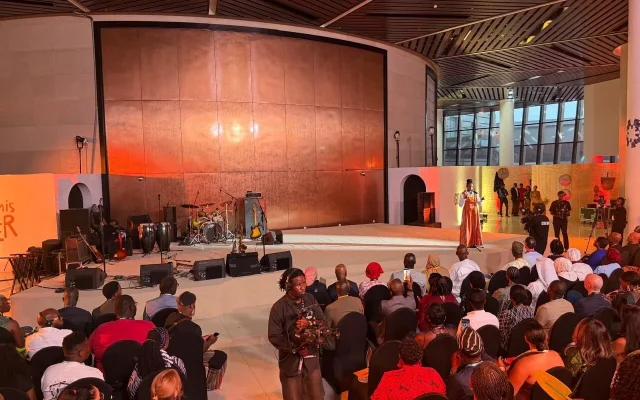
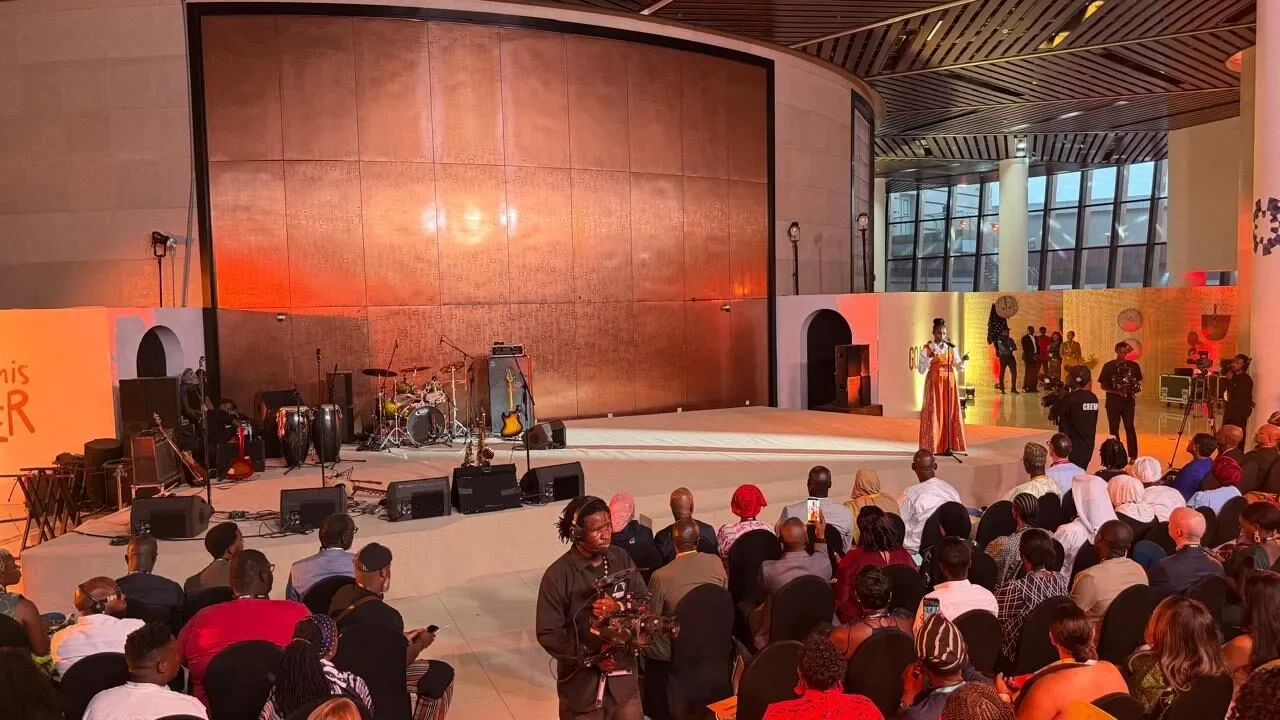
The October 29 event at the Museum of Black Civilisations brought together African innovators, policymakers and development partners. Dakar hosted the foundation’s Goalkeepers gathering for the first time.
Alongside healthcare discussions, young innovators presented projects addressing diagnosis, irrigation and reading. Mosaan Health won the showcase with AI-powered microscopy designed to support faster, more accessible disease diagnosis.
Local languages and funding shape access
Meanwhile, Mamadou Ly highlighted the difficulties Senegalese children face when they begin learning in French. Ly leads Associates in Research and Education for Development, known as ARED.
His organisation piloted teaching in Wolof, helping children understand lessons and participate, he said. The pilot subsequently informed Senegal’s Ministry of Education bilingual education strategy.
ARED is also exploring AI tools that support local-language learning and help teachers deliver lessons. However, Ly warned that excluding African languages from AI systems could deny communities the technology’s benefits.
The gathering followed the foundation’s September 14, 2026 commitment of at least $1 billion over two years. That funding aims to expand access to AI and AI-enabled services.
Under the planned allocation, education and healthcare would each receive 40 per cent. Agriculture and digital foundations, including support for underrepresented languages, would each receive 10 per cent.
The foundation’s commitment also includes Horizon 1000, a $50 million collaboration with OpenAI beginning in Rwanda. The initiative aims to support AI deployment in 1,000 primary healthcare clinics.
Meanwhile, foundation chair Bill Gates urged governments and technology companies to make deliberate choices about access. In the 2026 Goalkeepers Report, he warned that AI’s benefits would not automatically reach those with the greatest needs.