Luiz Inácio Lula da Silva has secured a fourth presidential term in Brazil.
Brazil’s electoral authorities confirm Lula’s narrow victory, while Flávio Bolsonaro rejects the result and signals a challenge.
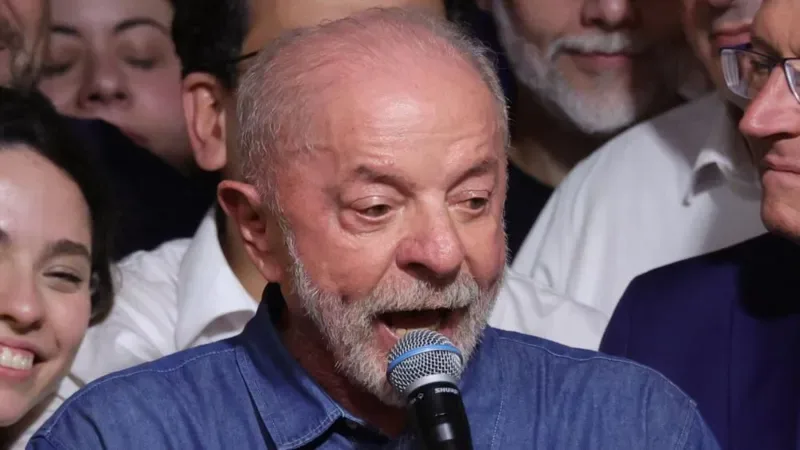
Brazil’s President Luiz Inácio Lula da Silva has secured a fourth presidential term after defeating Flávio Bolsonaro. Lula wins runoff honours with approximately 51.8% of valid votes against Bolsonaro’s 48.2%, official results show.
The 80-year-old Workers’ Party leader reversed his first-round defeat in the October 25 presidential runoff. Electoral authorities confirmed the outcome, giving him another four years in office.
However, Bolsonaro rejected the result and indicated that he would challenge it. The senator is the son of former president Jair Bolsonaro, whom Lula defeated before returning to office in January 2023.

Lula wins runoff after first-round setback
Bolsonaro led the October 4 first round with 47.03% of valid votes, while Lula received 45.16%. Neither candidate secured an outright victory, sending the contest into a second round.
Lula then stepped up his campaign through public rallies, social media outreach and appeals to undecided voters. He focused on living costs, workers’ rights, social welfare and the protection of democratic institutions.
He also highlighted policies aimed at reducing poverty and improving access to public services. Those appeals formed part of his effort to strengthen support among lower-income voters.
The victory makes Lula the first president since Brazil’s return to democracy to win four direct presidential elections. He previously served two consecutive terms from 2003 to 2010 before his return in 2023.
It also marks the first time a second-place candidate in Brazil’s presidential first round has won the runoff.
Bolsonaro disputes result after closely fought vote
Meanwhile, Lula’s supporters celebrated in major Brazilian cities, particularly São Paulo, where he followed the count.
Bolsonaro had campaigned on dissatisfaction with the government and support for conservative politics. His father’s supporters also backed his bid to return the family to the presidency.
Voting arrangements generated further disputes, with transportation difficulties reported in several regions. In response to concerns about polling access, Brazil’s Supreme Court authorised longer voting hours.
Divided Congress and economic pressures await
Despite the victory, Lula faces a strong conservative presence in Congress that could complicate his legislative plans. Economic pressures also include high interest rates, public debt and concerns about household spending.
His administration expects to prioritise social programmes, growth, workers’ rights and efforts to reduce inequality. Lula has also pledged to protect Brazil’s sovereignty and strengthen international partnerships.