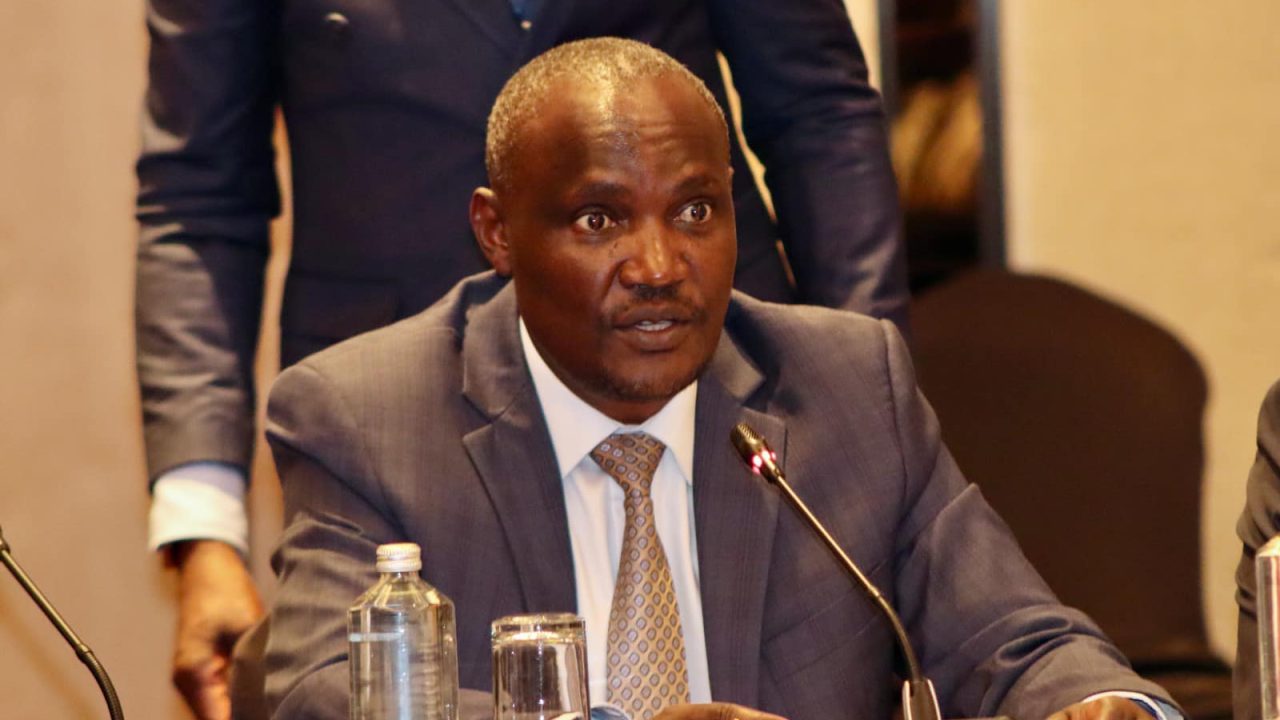
Treasury CS John Mbadi says the proposed PAYE relief requires parliamentary approval.
Treasury CS John Mbadi says the government plans to exempt monthly earnings up to Sh32,333 from PAYE, subject to parliamentary approval.
A PAYE exemption proposal could remove another 362,846 salaried Kenyans from the income tax net, Treasury Cabinet Secretary John Mbadi says. The plan would raise the monthly exemption threshold from Sh24,000 to Sh32,333.
Mbadi said the changes would follow a directive from President William Ruto. However, the government must complete the legislative process before workers can receive the proposed relief.
The adjustment would increase the number of formally employed Kenyans exempt from PAYE from 1.329 million to approximately 1.692 million. Employees earning above the new threshold would continue paying tax under the applicable bands.

Who the PAYE exemption proposal would cover
The plan targets lower-income employees, particularly those earning between Sh24,000 and Sh32,333 a month. It would lift the current monthly exemption ceiling by Sh8,333.
Mbadi said the affected income bracket currently falls within a 25 per cent tax band. He also said an employee within that bracket would gain Sh2,083 in monthly take-home pay if lawmakers approve the changes.
For lower-income households, he argued, that increase would help ease pressure from rising household expenses. Meanwhile, workers earning more than Sh32,333 would remain liable for PAYE under the applicable tax bands.
Mbadi links relief to economic recovery
The Treasury chief said the government had carefully considered the proposed adjustment. He linked it to measures the government took to stabilise an economy he described as struggling in 2022.
However, Mbadi said the economy now shows signs of recovery. He argued that salaried Kenyans who have shouldered the tax burden should therefore share in those gains.
He presented the proposed exemption as a way to return some benefits to formally employed workers. In particular, he said the additional take-home pay would matter to people on lower salaries.
Parliament must approve the changes
Mbadi said the Treasury was preparing the legislative proposal for submission to the Attorney-General. It would then go to Parliament for consideration.
He expected the draft to be ready the following week and expressed optimism about approval before Parliament’s recess. If that timetable holds, he said, the legislation could take effect in January.
However, that remains an intended timeline rather than a confirmed start date. The existing exemption threshold remains in place until the required legal and parliamentary processes conclude.