The fatal Kanga collision prompted a government plan targeting road infrastructure, enforcement and driver training.
Transport CS Davis Chirchir outlines infrastructure upgrades, tougher traffic enforcement and stronger driver training after the deadly Nairobi–Mombasa Highway collision.
The government has announced three road safety interventions following the Kanga crash, which killed 22 people on Saturday. The plan targets dangerous road sections, traffic violations and gaps in driver training.
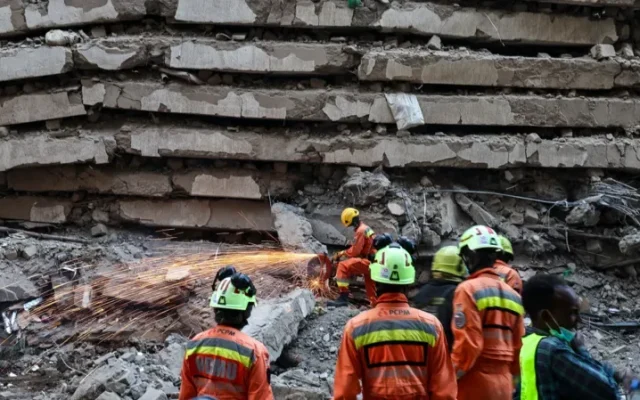
Transport Cabinet Secretary Davis Chirchir outlined the measures after a cement tipper truck collided head-on with a church bus. The collision occurred around 7:45am, about 10 kilometres east of Mtito Andei on the Nairobi–Mombasa Highway.
The bus belonged to Power of the Word Church International, Mombasa. Several people also suffered injuries and received treatment at Mtito Andei Sub-County Hospital and Kambu Level 4 Hospital.

Kanga crash investigation continues
Initial accounts suggested improper overtaking may have contributed to the collision. However, authorities have not established the definitive cause.
The National Transport and Safety Authority, National Police Service and other agencies are investigating the incident. Their findings will establish what happened and whether traffic violations contributed to the collision.
Meanwhile, Chirchir extended condolences to the victims’ families, friends and church community. The government also commended emergency responders, medical workers and security officers for their rescue efforts.
Black spot funding and tougher enforcement
In his October 25 statement, Chirchir said the first intervention would strengthen funding for road safety infrastructure. The government intends to identify high-risk sections and make targeted engineering improvements through its black spot management programme.
However, the statement gave no funding allocation, implementation schedule or list of locations that would receive priority.
Chirchir also cited the October 3 crash at Salama, near Mtito Andei, which killed 17 people. He said the incident underscored the urgency of tackling road safety risks.
The second intervention will intensify enforcement against reckless overtaking, speeding and other dangerous driving. Alongside enforcement, agencies will promote responsible behaviour among road users to help prevent avoidable deaths.
Driver training and vehicle regulation
The third pillar focuses on stronger training and oversight for commercial and public service vehicle drivers. Structured training and compliance measures will aim to improve competence, discipline and adherence to safety requirements.
The ministry also plans to engage Parliament, the Senate and the Judiciary on regulatory implementation challenges. These concern the Commercial Vehicle Regulations 2026, Vehicle Inspection Regulations 2026 and School Transport Regulations 2026.
The proposed frameworks aim to strengthen vehicle roadworthiness, driver accountability and fatigue management. Implementation will also involve road agencies, police, health institutions, county governments and transport stakeholders.
Under the planned national approach, participating institutions will work with clearer responsibilities and measurable targets. The ministry said stronger accountability and sustained cooperation would underpin efforts to reduce road deaths.