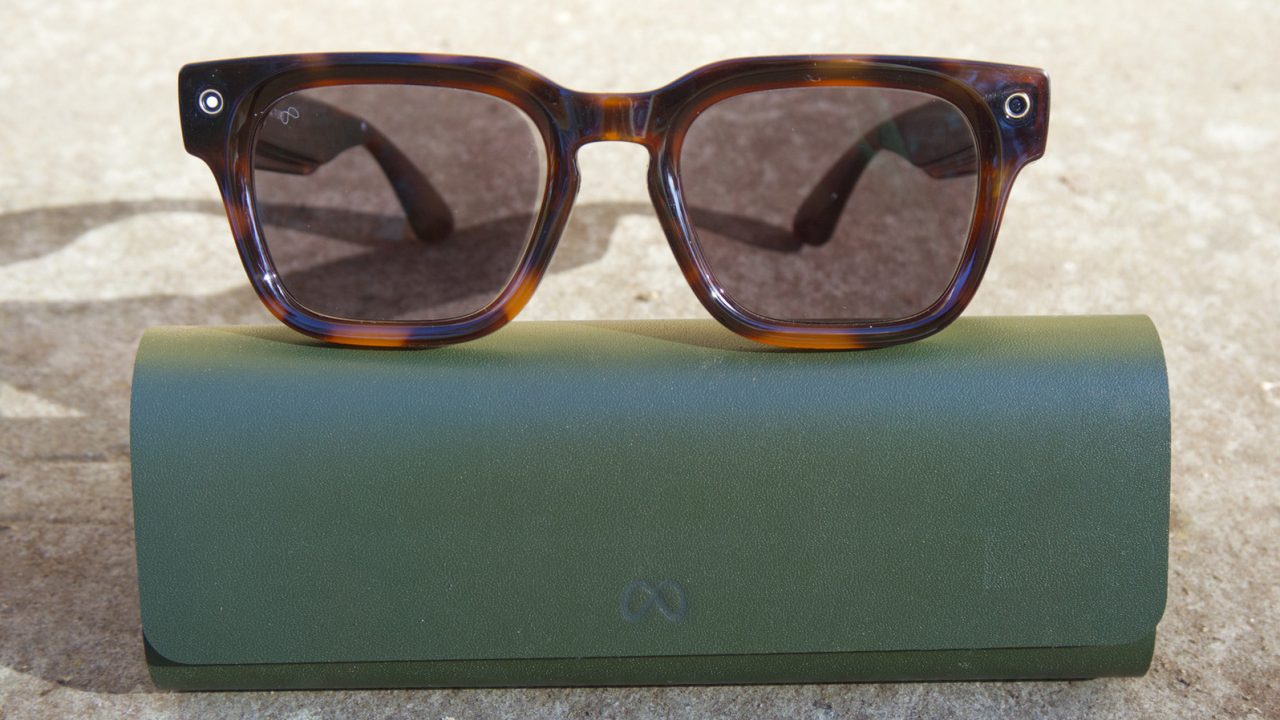
Meta’s AI glasses face scrutiny from US senators over privacy and safety risks.
Senators Ron Wyden and Edward Markey want Meta to explain recording safeguards, access to sensitive footage and safety testing before launch.
Two US senators are investigating privacy and safety risks involving Meta AI glasses, including allegations of secret filming. Ron Wyden and Edward Markey have asked chief executive Mark Zuckerberg to explain how the company protects users and bystanders.
In their letter, the senators said Meta released the glasses despite identifying risks to bystander privacy. They also requested answers about recording controls, access to captured imagery and testing before launch by November 26, 2026.
Senators question Meta AI glasses safeguards
Wyden and Markey cited incidents involving men secretly filming women while harassing them, then sharing the recordings on social media. Their letter also raised allegations that contractors reviewed footage showing people undressing or engaging in sexual activity.

The senators want Meta to explain how it handles accidental camera activation and tampering with recording indicators. They also asked whether the glasses blur faces and vehicle number plates during certain AI interactions, citing Meta’s practices on Facebook and Instagram.
In addition, the pair sought details about when employees or contractors can access imagery captured through the devices. They asked Meta to explain when it uses that material to train AI models.
Citing Meta’s own documents, the senators also questioned the company’s checks before releasing the glasses. They asked whether Meta conducted detailed human rights due diligence and safety testing ahead of the launch.
Recording complaints widen privacy concerns
Meanwhile, users have complained that the glasses recorded their conversations without consent after a firmware update. Those complaints add to concerns about how the devices capture information involving people who are not wearing them.
Immigration and Customs Enforcement agents have also worn the glasses during raids. Separately, the New York City Police Department’s counterterrorism unit reportedly raised surveillance concerns about the devices in January 2026.
In October, California Governor Gavin Newsom vetoed legislation targeting covert recording through wearable devices. The bill would have prohibited people from using wearables to secretly record others in private areas of businesses.
Wyden and Markey challenged Meta to demonstrate concrete safeguards against privacy violations and intimate image abuse. They argued that the company’s privacy commitments lack credibility unless it can show meaningful measures to prevent its products and practices from enabling those harms.