NACADA’s guidelines aim to bring rehabilitation services closer to communities.
The framework brings addiction care into primary healthcare and community systems, with families and local teams supporting recovery.
The National Authority for the Campaign Against Alcohol and Drug Abuse (NACADA) has validated community rehabilitation guidelines. The framework aims to bring substance use treatment and recovery support closer to communities across Kenya.
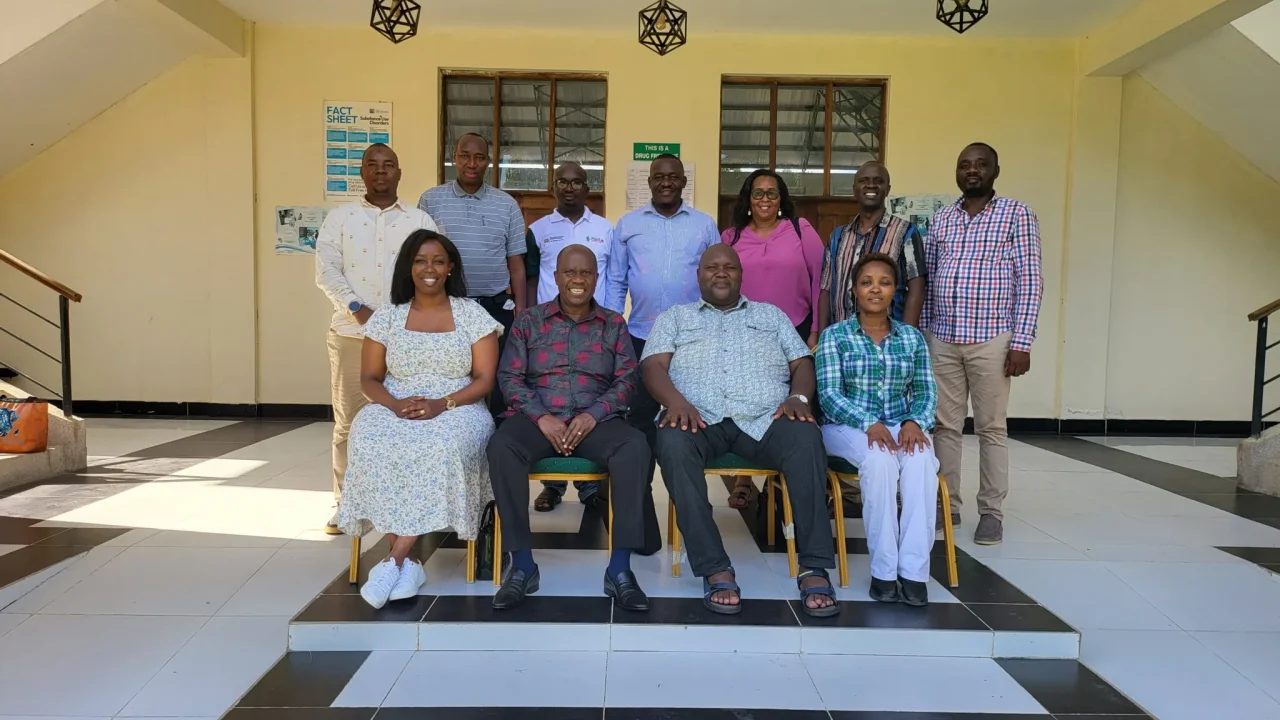
The board reached the decision during a meeting led by chairperson Stephen Mairori. The guidelines set out how community services can support prevention, treatment, rehabilitation and social reintegration.
Kenya has 135 accredited treatment and rehabilitation facilities, with a combined capacity of 3,790 beds. However, high costs, stigma, limited services and shortages of trained addiction professionals prevent many people from accessing formal treatment.

Community rehabilitation guidelines address treatment gaps
NACADA’s National Survey estimates that 1.36 million Kenyans aged 15–65 have severe alcohol use disorder. It also estimates that 887,627 people in that age group have severe tobacco use disorder.
To address barriers to treatment, the framework integrates care into primary healthcare and existing community systems. It covers early identification, screening, referral and treatment, alongside recovery support, aftercare and relapse prevention.
Proposed interventions include community outreach, low-intensity and intensive outpatient programmes, medication-assisted treatment and peer support. The framework also includes sober living homes, harm reduction services, mobile treatment units and faith-based programmes.
Local teams to coordinate recovery support
Community Coordination Committees will bring together health professionals, social workers, psychologists and Community Health Promoters. Families, people with lived experience, local administrators and faith-based organisations will also help coordinate services.
Within these teams, Community Health Promoters will conduct screening using validated tools and facilitate referrals. The guidelines also encourage families and caregivers to take an active role throughout recovery.
The framework prioritises underserved groups, including people with disabilities, people in commercial sex work and out-of-school children and youth. It also covers older people, street-connected persons, refugees, internally displaced persons and people in contact with the criminal justice system.
In addition, the guidelines call for services that respond to gender-related needs and account for trauma. These provisions sit alongside measures to support recovery within families and communities.
Reintegration, training and safeguards
Beyond clinical care, the framework places emphasis on reducing stigma and supporting family and community reintegration. Educational support, vocational training, employment support and housing assistance form part of that approach.
To strengthen service delivery, the guidelines establish a standard national curriculum for training community rehabilitation personnel. They also provide for supervision, mentorship and indicators to track programme performance and client outcomes.
Data collection tools will align with national health information systems, including the Electronic Community Health Information System. Meanwhile, safeguards cover informed consent, confidentiality, data protection and protection from abuse and exploitation.
The guidelines also prohibit partnerships with the alcohol, tobacco and other harmful substance industries through conflict-of-interest provisions.
Following validation, NACADA is expected to move towards implementation with county governments and community organisations. That next phase would bring the framework’s treatment and recovery services closer to people who struggle to access institutional care.