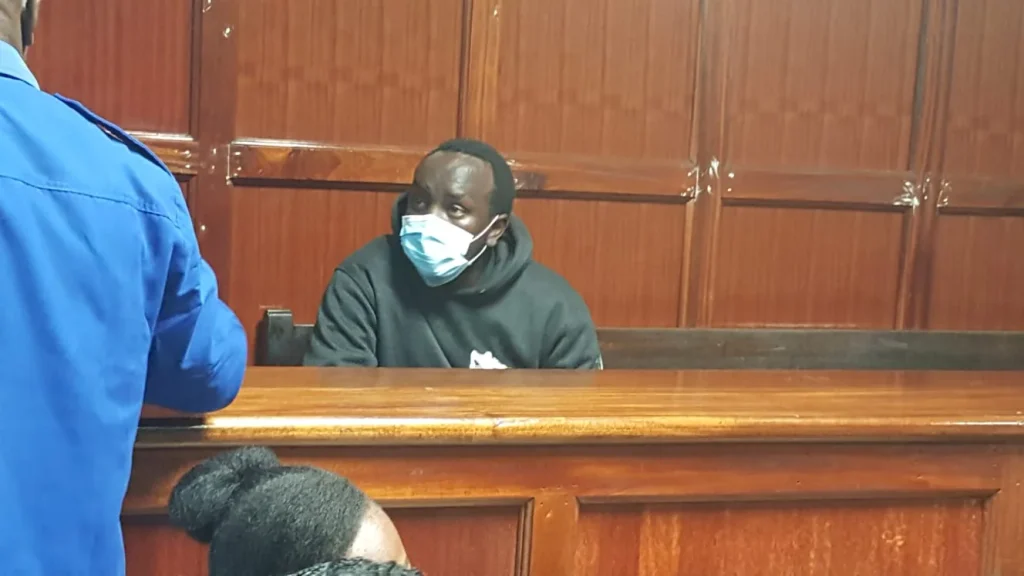
The Milimani Law Courts will deliver a ruling on November 19, 2026, in the extradition case involving Kenyan national Brian Kiprop Kiplagat.
British authorities want Kiplagat extradited to the United Kingdom to face murder and related criminal charges. The development follows final submissions by the prosecution and defence on Thursday, October 29.
The prosecution urged the court to approve his surrender, arguing that the legal requirements for extradition had been met. However, the ruling will determine whether he should be surrendered to British authorities, not whether he is guilty of the alleged offences.
Why the Prosecution Wants Extradition
Senior Assistant Director of Public Prosecutions Duncan Ondimu told the court that extradition proceedings should focus on the applicable legal requirements.
The prosecution argued that the Kenyan court was not conducting a criminal trial. Instead, it should determine whether the requirements for Kiplagat’s surrender had been satisfied.

Ondimu also opposed attempts by the defence to challenge aspects of the British case during the proceedings. He maintained that the allegations should be examined by the courts responsible for hearing the criminal charges.
Mobile Phone Dispute Emerges
Kiplagat’s mobile phone also featured in the proceedings. The prosecution said authorities were holding the device under a separate Mutual Legal Assistance process involving cross-border investigations.
The state opposed releasing the phone, arguing that it remained connected to the investigative process. The dispute highlights the additional legal procedures that can arise when authorities in different countries cooperate on criminal investigations.
Eight Charges in the UK
British authorities are seeking Kiplagat’s extradition to face eight charges before Westminster Magistrates’ Court. The charges reportedly include murder, manslaughter, two counts of perverting the course of justice and four counts of fraud by false representation.
Prosecutors allege that the fraud charges involve unauthorised transfers from Kilonzi’s bank accounts and the unlawful use of her credit card. They also allege that Kiplagat attempted to pervert the course of justice through actions involving Kilonzi’s mobile phone and events following her death.
However, the allegations remain unproven. Kiplagat has not been convicted of these offences and remains entitled to the presumption of innocence.
Background to the Case
Marianne Nduta Kilonzi, a Kenyan banking executive, died after someone found her body in her London apartment in January 2025. Reports identified her as a senior banking professional working in London.
British authorities later sought Brian Kiprop Kiplagat’s extradition to face murder and related charges linked to Kilonzi’s death. The request triggered legal proceedings in Kenya, where prosecutors are asking the court to approve his surrender to the UK.
What Happens Next?
The court is scheduled to mention the matter on November 5, 2026, before delivering its ruling on November 19, according to reports.
The ruling will determine the next step in the extradition process. It will not, by itself, establish Kiplagat’s guilt or innocence on the charges brought in Britain.