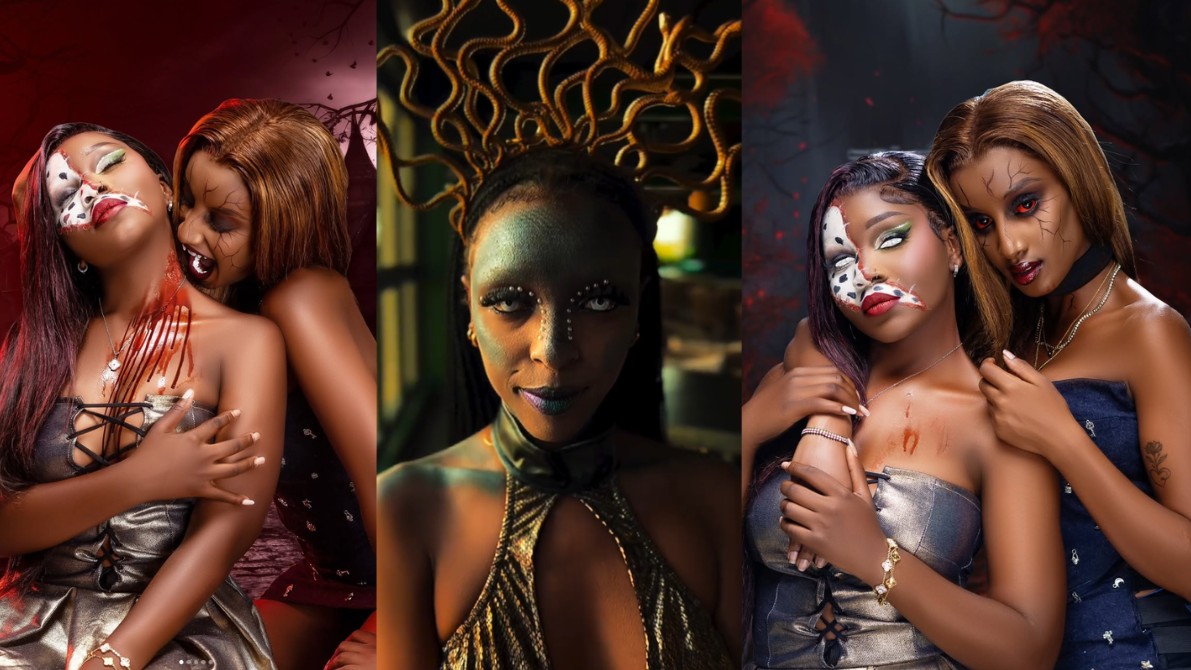
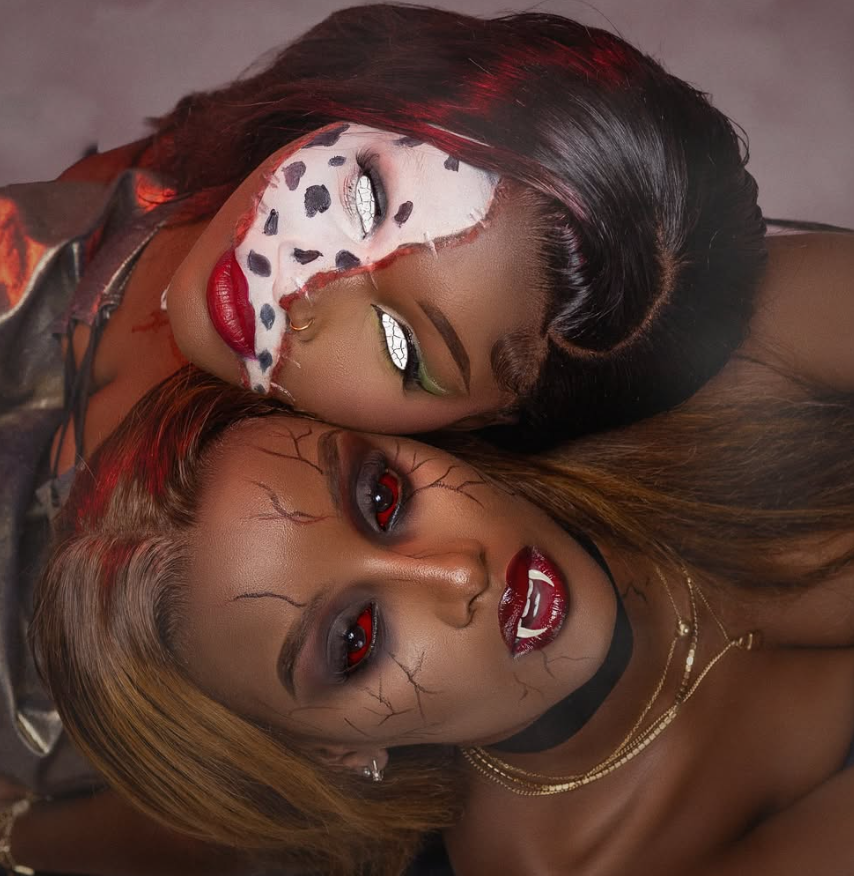
Halloween takes place every year on October 31 and blends ancient traditions with modern celebrations. Today, people mark the occasion with costumes, pumpkin carving, trick-or-treating and themed parties.
However, Halloween’s history stretches back more than 2,000 years. Its roots are commonly linked to Samhain, an ancient Celtic festival that marked the end of the harvest season and the beginning of winter.
Over time, religious traditions, migration and popular culture transformed Halloween into the celebration many people recognise today.
Halloween’s Ancient Origins
The ancient Celts lived across parts of Ireland, Britain and mainland Europe. They celebrated Samhain around October 31 and November 1 to mark the transition from summer to winter.
Celtic communities associated this seasonal change with death and the supernatural. Some traditions held that spirits could move between the world of the living and the dead during Samhain.

Communities gathered around bonfires and performed rituals connected to the festival. Historical accounts also associate Samhain with supernatural beliefs, although the precise details of ancient practices remain debated.
Some people wore disguises during seasonal festivities. However, historians cannot confirm every modern claim about the costumes or rituals that ancient Celts used.
How Halloween Got Its Name
Christian traditions later influenced the development of Halloween. All Saints’ Day, celebrated on November 1, honours saints and Christian martyrs. The evening before became known as All Hallows’ Eve, a name that eventually shortened to Halloween.
The relationship between Christian observances and Samhain developed over centuries. Historians continue to debate how directly church leaders intended these celebrations to replace older Celtic traditions.
Nevertheless, the combination of seasonal customs and Christian observances helped shape Halloween’s historical identity.
How Trick-or-Treating Began
Trick-or-treating developed from several European customs, including souling and guising. During souling, people visited homes and received food, sometimes in exchange for prayers for the dead. Guising involved dressing in disguises and performing songs, jokes or other activities in return for treats.
Irish and Scottish immigrants helped carry related customs to North America. Over time, communities developed the familiar practice of children wearing costumes and asking neighbours for sweets. Today, trick-or-treating remains one of Halloween’s best-known traditions.
Why We Carve Pumpkins
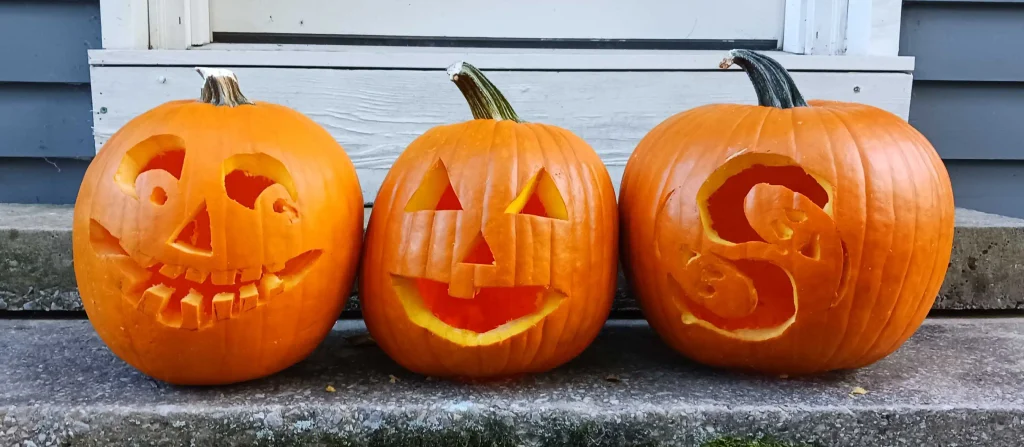
Pumpkin carving has roots in Irish folklore and older practices involving carved vegetables. One popular story tells of Stingy Jack, a man who tricked the devil and supposedly wandered the earth with a glowing light. The tale helped inspire the tradition of carving lanterns to frighten away spirits.
In Ireland and parts of Britain, people carved turnips and other root vegetables. When immigrants brought the tradition to North America, they adopted pumpkins because their larger size and softer flesh made them easier to carve. The carved pumpkin, often called a jack-o’-lantern, eventually became a symbol of Halloween.
Why We Celebrate Halloween Today
Halloween spread widely in North America during the 19th and 20th centuries. Irish immigration played an important role in carrying Halloween customs across the Atlantic.
As the holiday evolved, many communities placed greater emphasis on entertainment and social activities. Costumes, decorations, parties and neighbourhood events became central to the celebration.
Today, people observe Halloween in different ways. Some enjoy its folklore and supernatural themes, while others focus on family activities, creative costumes and community gatherings.
Halloween continues to change as different cultures adapt its traditions. Its long history shows how ancient seasonal festivals, religious observances and popular customs can combine to create a modern global celebration.