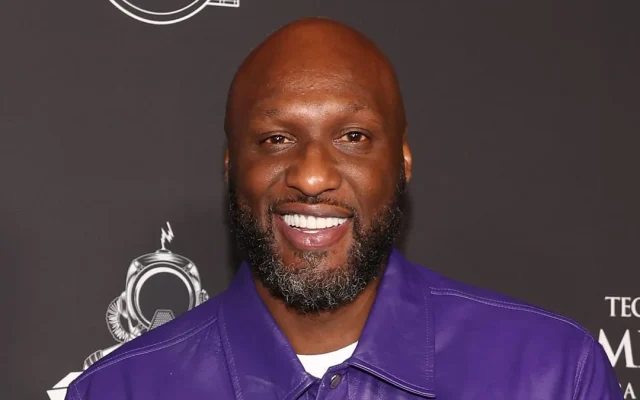
KAMP founder Japheth Kasanga returns to the organisation’s board among seven elected directors.
Members elected seven directors at Daystar University, as the incoming board faces licensing hurdles and demands for better royalty administration.
KAMP board elections have returned founder Japheth Kasanga to the organisation’s leadership alongside six other directors. Members voted at the Annual General Meeting at Daystar University on Wednesday, October 28.
The new board of KAMP Copyright and Related Rights Limited includes only one woman, Monicah Kibayu. By comparison, four women served on the outgoing board led by Angela Ndambuki.
KAMP board elections use paper ballots
Geoffrey Kwatemba secured 895 votes, while Kibayu received 824 and Antony Kyalo won 649. Felix Ngutu followed with 574 votes, and Johannes Mbaka received 526.

Gospel minister Victor Mbuvi, known for his song Kwata Kawaya, also won a seat with 412 votes. Together with Kasanga, the six complete the organisation’s newly elected seven-member board.
Chief executive Maurice Okoth said KAMP had prepared for both electronic voting and physical ballots. However, members preferred an in-person election, prompting the organisation to proceed with paper ballots.
Although the process took longer, Okoth welcomed members’ opportunity to exercise their democratic rights and select their leaders. He also said KAMP was the only collective management organisation to hold a physical meeting in three years.
Licensing and royalty payments await new directors
Meanwhile, Kasanga returns as KAMP faces licensing challenges and calls to improve royalty administration. He previously helped address licensing issues involving the Music Copyright Society of Kenya before leaving the board following internal disagreements.
Kasanga expressed confidence in his ability to help tackle the organisation’s challenges. He also pledged to work diligently with fellow directors so that members could benefit from their efforts.
Outgoing chair Ndambuki said her board had strengthened KAMP’s institutional capacity and modernised its rights management systems. In addition, she said the team had expanded membership and secured more than 20 reciprocal partnerships.
The incoming directors now face expectations to resolve licensing hurdles and improve transparency in royalty collection and distribution. Members also want the board to address concerns over payments for the use of their music.