DNA evidence has linked Ted Bundy to Melissa Ann Smith’s 1974 murder.
Investigators have closed Melissa Ann Smith’s 1974 murder case after modern testing matched preserved evidence to the serial killer’s DNA.
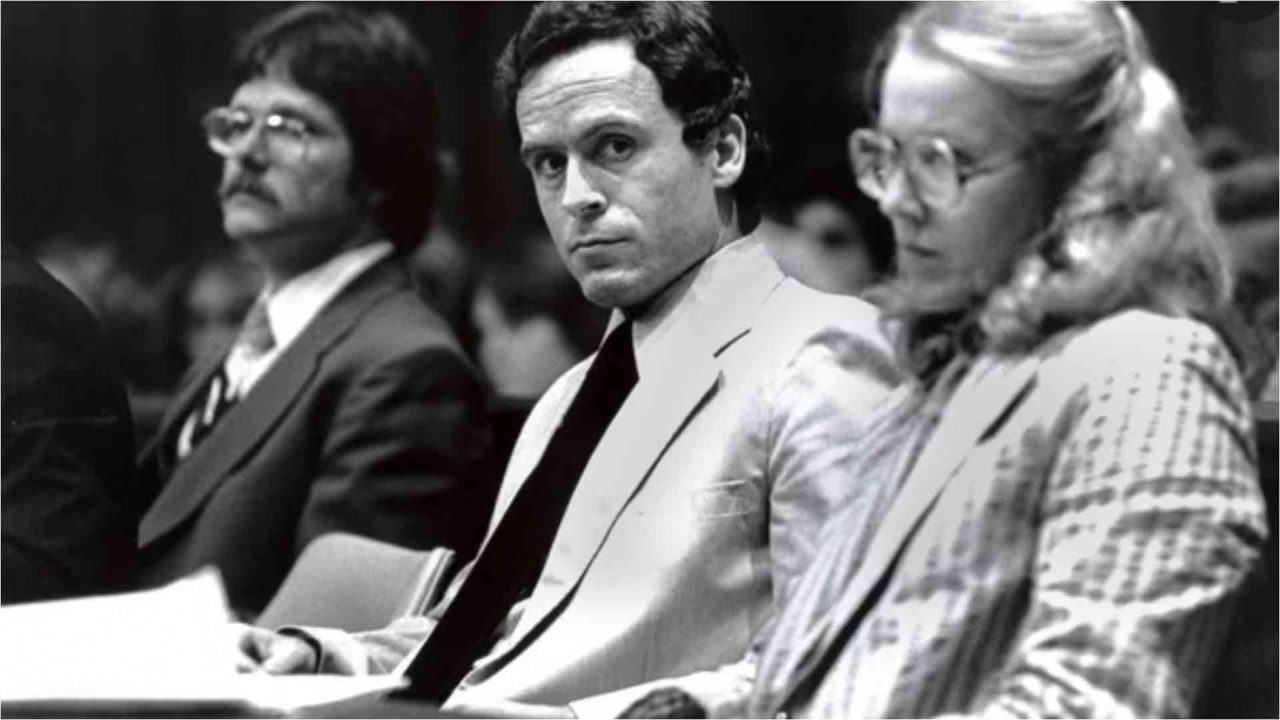
Modern DNA testing has linked Ted Bundy to the 1974 murder of 17-year-old Melissa Ann Smith in Utah. The findings allowed investigators to close a case that remained unsolved for more than five decades.
Summit County authorities announced the breakthrough on October 27, exactly 52 years after a hunter discovered Smith’s body. He found her in a wooded area near Park City.
Smith disappeared on October 18, 1974, after leaving a restaurant in Midvale, Utah. Investigators recovered her body nine days later but could not establish who killed her.

DNA evidence establishes Ted Bundy link
As forensic technology advanced, investigators reopened the case and examined biological evidence preserved for decades. Their breakthrough followed the resolution of another Utah murder involving 17-year-old Laura Ann Aime.
Earlier this year, investigators linked Bundy to Aime’s 1974 killing. They then compared DNA evidence from both victims and found matching genetic profiles.
Investigators also checked the findings against Bundy’s DNA profile held in Florida. He had faced murder convictions there before his execution in 1989.
Summit County Attorney Margaret Olson said the DNA findings established his responsibility when considered alongside other evidence. That evidence concerned the crime’s pattern, motive, means and opportunity.
Meanwhile, Utah’s state crime laboratory introduced technology in 2023 that can analyse small, degraded or mixed DNA samples. Such material may have proved difficult to examine with older methods.
Other unsolved cases remain under review
Authorities said they had informed Smith’s surviving relatives of the case’s resolution. However, the family declined to comment publicly.
Florida executed Bundy on January 24, 1989, following his convictions for murdering two women at a Florida State University sorority house in 1978. Before his death, he confessed to killing at least 30 women and girls across several US states.
Some of those crimes remained unverified, however, and investigators continue to examine cases that could involve him. Among them is the 1974 disappearance of 16-year-old Nancy Wilcox in Utah.
Although Bundy confessed to killing Wilcox, investigators have yet to establish sufficient evidence to formally attribute the case to him. Smith’s case, meanwhile, illustrates how preserved forensic evidence can help investigators resolve decades-old killings.