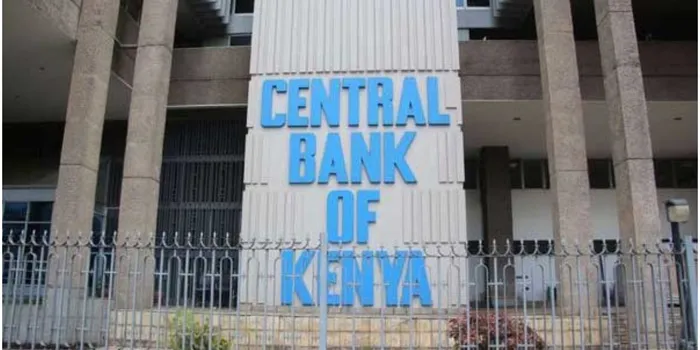
CBK is exploring artificial intelligence tools to support inflation monitoring and economic forecasts.
The central bank is considering online price monitoring and satellite data analysis while retaining human oversight of critical decisions.
The Central Bank of Kenya (CBK) is exploring AI inflation tracking to monitor prices throughout the month and improve economic forecasts. The approach would complement conventional monitoring as market conditions become increasingly volatile.
CBK Director of Research Robert Mudida said the bank has identified nearly 300 potential AI applications across its 14 departments. Some are already moving into implementation this year.
However, Mudida stressed that the technology should support human judgement rather than replace people in critical decisions. The regulator is weighing automation’s benefits against the risks of using it.

How AI inflation tracking could work
One proposed application would analyse prices on online supermarket platforms to help researchers assess emerging inflation trends. It would match products, brands and quantities in line with the Kenya National Bureau of Statistics’ Consumer Price Index.
By tracking costs throughout the month, researchers could draw on additional information rather than rely solely on periodic reports. The approach would supplement the bank’s conventional inflation monitoring.
Meanwhile, CBK is considering AI for nowcasting, which estimates current economic conditions before official statistics become available. The technology could convert satellite images into data for comparison with existing high-frequency indicators and estimates.
This could help policymakers assess economic activity during monetary policy meetings. GDP figures arrive with a delay of about three months, leaving a gap between current conditions and official measurements.
Forecasting tools and safeguards
The bank is also exploring machine learning to identify errors in earlier forecasts and adjust models as market conditions change. Mudida cited increased volatility following the energy crisis that began in late February as a reason to supplement traditional forecasting methods.
Another potential use involves analysing large volumes of financial information, including mobile money transactions. Such analysis could help establish patterns and relationships between economic variables.
Alongside these proposals, CBK is developing safeguards for emerging technologies in the financial sector. In September, it published draft Risk Management Guidelines 2026 setting out proposed requirements for institutions using AI.
These include human oversight, transparency, security, bias testing and regular monitoring to guard against inaccurate or discriminatory outcomes. The draft also requires institutions to make AI-driven assessments explainable, use reliable data and validate them regularly.