ActionAid calls for debt cancellation, climate grants and greater agricultural investment in sustainable farming across Africa.
A climate debt trap is diverting African countries’ resources from climate action, food security and resilience, ActionAid warns. Its new reports urge debt relief and greater support for sustainable farming.
ActionAid International’s Global Lead on Climate Justice, Teresia Anderson, said climate disasters force vulnerable countries to borrow for recovery. As repayments grow, governments have fewer resources to prepare for future shocks.
She said governments spend more on servicing debt than on adaptation, health and education. Meanwhile, ActionAid warned that reliance on climate loans rather than grants adds to developing countries’ financial pressures.
Agroecology offers gains for African farmers
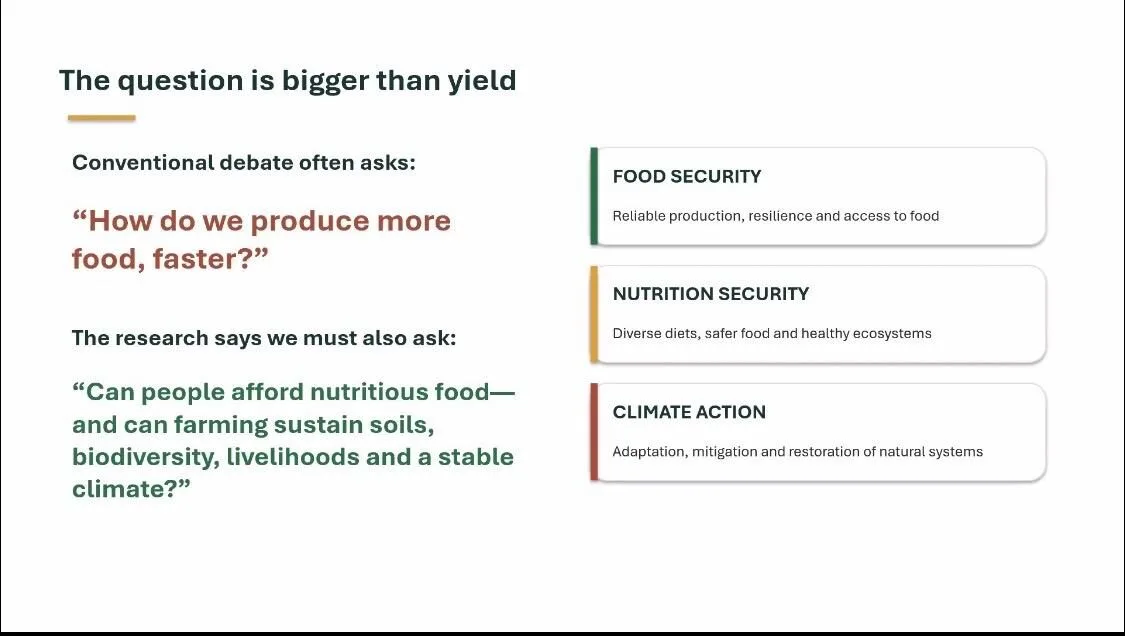
Alongside its debt warnings, ActionAid presented evidence that agroecology can strengthen food security and climate resilience. The approach uses sustainable farming practices while reducing dependence on costly imported inputs.

ActionAid Tanzania Country Director Bavon Christopher said the study, Agroecology: Adapt to Thrive, draws on evidence from 10 African countries. These include Ethiopia, The Gambia, Ghana, Kenya, Malawi, Nigeria, Tanzania, Uganda, Zambia and Zimbabwe.
In Kenya, farmers recorded a 37.8 per cent profit increase after adopting agroecology, the study found. Tanzania’s pigeon pea and sorghum yields nearly tripled under these practices.
Meanwhile, maize yields on Zambian agroecological demonstration plots were up to 100 per cent higher. The study also found that agroecological farms can be two to four times more energy-efficient and more stable during droughts.
Overall, the report argues that agroecology can match or exceed industrial farming yields while lowering production costs. It also links the approach to healthier soils and stronger protection for ecosystems.
ActionAid urges action on climate debt trap
However, public agricultural funding in several countries still favours industrial farming inputs, the report found. These include synthetic fertilisers and hybrid seeds.
In 2023/2024, subsidies largely targeting imported fertilisers and hybrid seeds consumed 80 per cent of Zambia’s agricultural budget. In Zimbabwe, they accounted for 50 per cent.
Christopher therefore urged governments to invest more in agroecology and make public financing more transparent. He also called for less dependence on external borrowing for climate and agricultural programmes.
He said agroecology could strengthen food sovereignty, particularly among women. Women account for 66 per cent of agrifood employment in sub-Saharan Africa.
To ease financial pressures, ActionAid wants debt cancellation for climate-vulnerable countries and grants instead of climate loans. It also urges African governments to direct at least 30 per cent of agricultural spending towards agroecology by 2035.