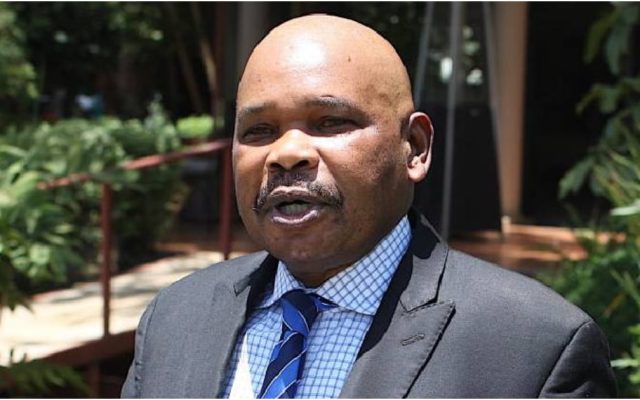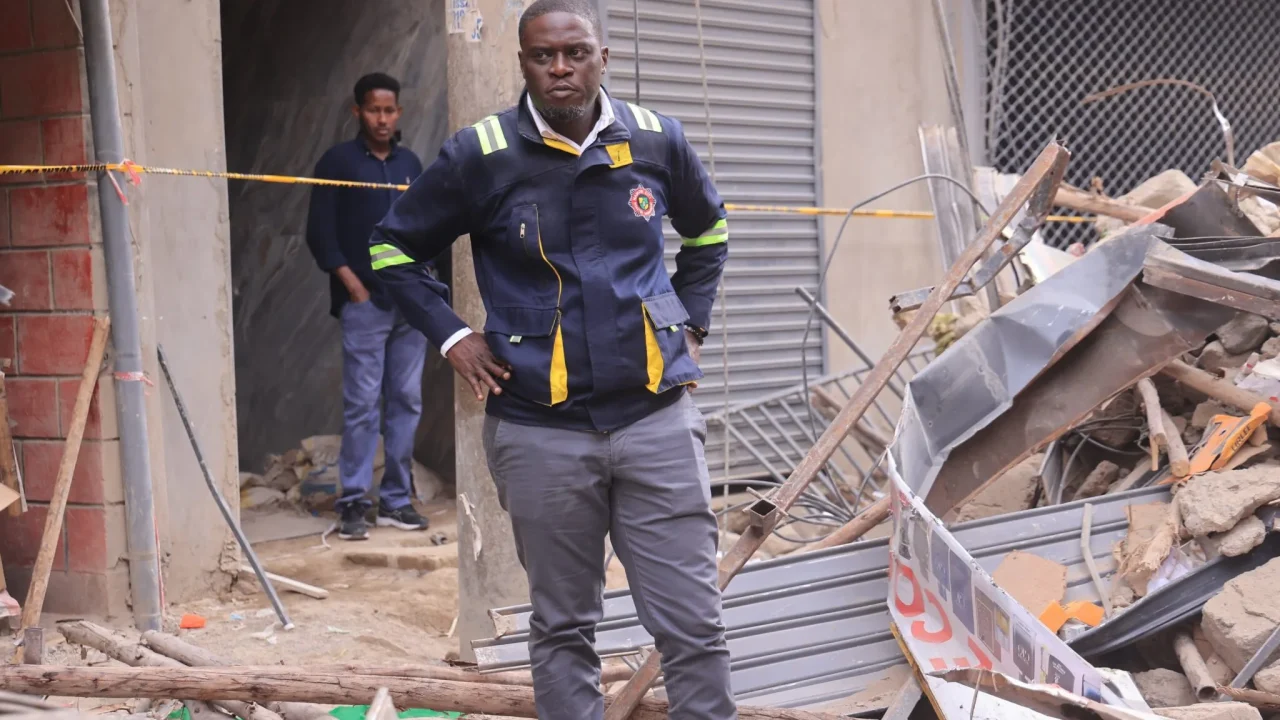
Governor Johnson Sakaja has called for answers over the handling of construction suspects.
Nairobi Governor Johnson Sakaja wants Kamukunji police to explain the reported release of construction suspects without court appearances.
Nairobi Governor Johnson Sakaja has questioned the reported release of suspects linked to the Eastleigh building collapse. He wants Kamukunji Police Station to explain the Sh50,000 cash bail and alleged lack of court appearances.
Sakaja said county officers arrested those involved after establishing that construction lacked approved architectural plans. However, the county had approved a change of user for the property.
He said officers handed the suspects to police because counties no longer exercise their previous prosecutorial powers. He also demanded an explanation for why construction continued after the arrests.

Eastleigh building collapse: What police records show
A Kamukunji Police Station occurrence book entry records 14 arrests on June 17, 2026. Entry OB No. 98/17/06/2026 concerns alleged breaches of city planning laws and identifies county officers as the arresting team.
Meanwhile, a separate Kenya Police Service record lists 10 suspects released on Sh50,000 cash bail. The 9.44pm entry attributes the instructions to the station commander, identified as C.I. Onyapidi, through Corporal Awadh.
However, the documents alone do not establish specific charges or the legal basis for the bail arrangement. They also do not confirm whether the suspects subsequently appeared in court.
The difference between the custody and release totals leaves the status of four suspects unclear. Sakaja wants police to clarify the circumstances surrounding the release.
Construction approval and enforcement questions
Sakaja stressed that changing a property’s use to commercial-cum-residential does not authorise construction. He maintained that the county had not approved architectural plans, although building work proceeded.
He also criticised politicians circulating documents purportedly showing full approval, arguing that each document must reflect its actual authorisation.
A June 2025 county enforcement notice directed its recipient to halt construction and remove development described as illegal. It cited planning legislation and county by-laws, while also providing an appeal route.
However, the notice alone does not establish its connection to the collapsed building. The property’s identity, compliance with the notice and subsequent enforcement action still require verification.
Sakaja seeks county prosecution powers
The governor also renewed his push for counties to prosecute offences arising from their regulatory duties. He argued that dependence on other agencies creates a gap between arrests and court action.
Under his proposal, authorised county prosecutors would pursue qualifying offences within the law and the Director of Public Prosecutions’ constitutional authority. Sakaja said he had written to the DPP and was awaiting a response.
He also urged professional bodies to investigate alleged misuse of construction professionals’ names and credentials. He called for cooperation with the county and disciplinary action where members breach professional standards.