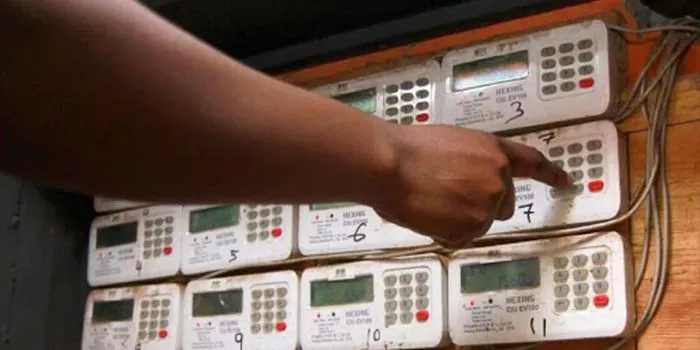
The World Bank links Kenya’s high electricity costs to expensive power contracts.
The World Bank links high power bills to expensive contracts and governance concerns, with Kenyan businesses paying nearly 50 per cent more than those in Uganda.
High Kenya electricity costs reflect expensive power purchase agreements and governance problems, the World Bank says. Kenyan businesses pay nearly 50 per cent more for power than those in Uganda.
In its November 2026 Kenya Economic Update, the lender also flags weak competition in electricity procurement. It raises concerns about conflicts of interest involving public officials and independent power producers.
Kenya electricity costs exceed regional comparisons
Kenyan businesses pay an average of Ksh22.60 per kilowatt-hour, compared with Ksh15.20 in Uganda. Meanwhile, the comparable rate in Vietnam stands at Ksh10.10, less than half Kenya’s business rate.

Households also face higher charges across the countries cited in the lender’s comparison. Kenyan homes pay an average of Ksh28.40 per kilowatt-hour, against Ksh22.20 in Uganda.
By comparison, household rates stand at Ksh15.40 in Morocco and Ksh10.10 in Vietnam. The bank acknowledges Kenya’s progress in expanding electricity access, but says power remains expensive relative to peer economies.
Kenya also imports some electricity from Uganda and Ethiopia to supplement local generation. However, the lender warns that high electricity prices continue to hurt Kenyan businesses.
Power contracts raise procurement concerns
The World Bank links the high charges to expensive power contracts that lack transparency. It highlights agreements under which Kenya Power buys electricity from independent power producers.
Some contracts guarantee payments to producers even when Kenya does not fully use their electricity. In addition, only 24 per cent of 42 agreements signed by Kenya Power underwent competitive procurement.
The lender also flags cases involving officials who helped approve electricity projects. Some later worked for, or owned, the generation companies involved, raising concerns about conflicts of interest.
Alongside these contract and governance concerns, the bank identifies substantial losses in the electricity system. Kenya loses more than 23 per cent of generated power before it reaches consumers, the lender says.