Faith and indigenous leaders will explore community-led climate action at a two-day forum organised by the Israeli Embassy and Konrad Adenauer Stiftung.
Faith and indigenous leaders are meeting in Nairobi for an interfaith climate dialogue focused on strengthening community resilience. The Embassy of Israel in Kenya and Konrad Adenauer Stiftung (KAS) jointly organised the October 26–27 forum.
The two-day meeting at Trademark Hotel brings together religious leaders, climate experts, environmental organisations and policymakers. It aims to turn religious values and indigenous knowledge into practical environmental commitments and lasting partnerships.
Interfaith climate dialogue targets community action
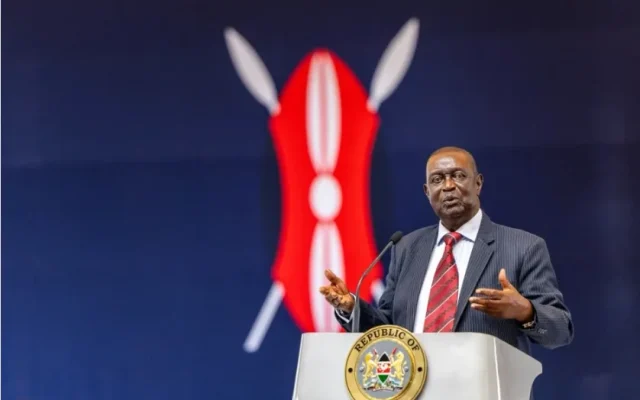
The opening programme features Israel’s Ambassador to Kenya, Gideon Behar, and KAS Kenya Country Director Mathias Kamp. It also includes Thomas Lerenten Lelekoiten, Deputy Director of the Climate Change Directorate at the Environment Ministry.
Representatives from Christian, Muslim, Jewish and Hindu communities are expected to examine their institutions’ role in environmental protection. In particular, discussions will explore how religious institutions can use their moral influence to shape behaviour and mobilise communities.

The organisers want participants to move beyond discussions of environmental responsibility and identify community-led initiatives. They have structured the dialogue around four pillars: values, responsibility, action and continuity.
Indigenous knowledge and faith-led initiatives
The first day focuses on faith and indigenous perspectives, including responsibility towards future generations and community vulnerability. Participants will also discuss preserving local ecological knowledge and its contribution to climate resilience.
Meanwhile, presentations and case studies from Kenya and Israel will showcase faith-led environmental initiatives. The programme will explore whether other communities can adapt and replicate those approaches.
Discussions on sacred land and indigenous ecological wisdom will also help participants identify practical measures for environmental stewardship. These sessions place local knowledge alongside religious values in the search for community-level responses.
Partnerships and commitments on the agenda
The second day shifts towards implementation, with sessions on institutional commitments and sustaining action beyond the conference. Dr Mithika Mwenda, Executive Director of the Pan African Climate Justice Alliance, is scheduled to deliver a keynote address.
His address will focus on mobilising faith and community leadership for a climate-resilient future. Representatives from the National Environment Management Authority, environmental organisations and faith-based networks will also discuss partnerships for sustained action.
The forum is expected to conclude with a joint interfaith communiqué outlining shared messages and calls to action. Organisers also want commitments that lead to concrete environmental activities and continuing cooperation after the meeting.