President William Ruto has promised increased government funding for university, Technical and Vocational Education and Training (TVET), and Kenya Medical Training College (KMTC) students from January 2027.
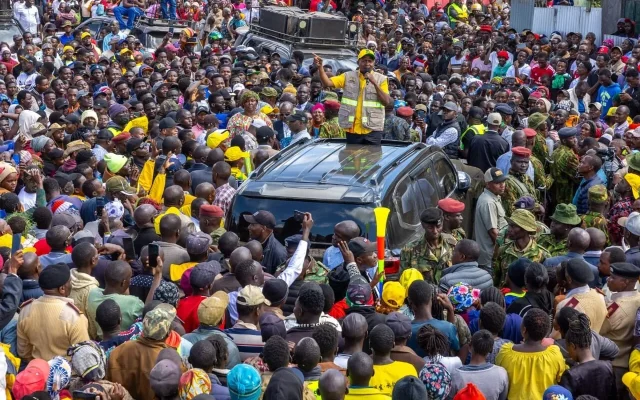
The President made the announcement during a development tour in Kitui County. He said the government wanted to ensure that parents’ financial circumstances did not prevent qualified students from pursuing higher education.
The pledge has raised hopes among families struggling with education costs. However, questions remain about how the government will finance the proposed changes and whether the January deadline is achievable.
Government Proposes New Funding Model
The proposed changes would overhaul the Student-Centred Funding Model introduced in 2023. Under the existing system, eligible university students receive government scholarships and loans based on assessed financial need. Families may still contribute towards education costs, depending on the support awarded.
The government now wants to establish a revised framework that expands access to tertiary education. The Tertiary Education Placement and Funding Bill, 2026, proposes creating the Tertiary Education Funding Authority (TEFA).

The authority would consolidate key functions currently handled by agencies responsible for student loans, scholarships and education funding.
However, Parliament must complete the legislative process before the proposed framework can take effect. The Bill’s provisions will determine how the new system operates.
Ruto Faces Pressure Over January Deadline
The January 2027 target places pressure on Parliament and the Treasury to finalise the necessary arrangements. Ruto has urged lawmakers to advance the legislation, arguing that students should access education based on their ability rather than their parents’ ability to pay.
Meanwhile, the government has continued processing funding applications under the existing framework as it awaits the proposed legal changes.
The transition will require clear implementation guidelines, adequate budget allocations and coordination among education agencies.

Can Kenya Afford Free Higher Education?
The proposal has renewed debate over the financial sustainability of public higher education. Supporters say expanded government funding could help vulnerable families and improve access to professional training. It could also reduce the financial pressure facing students from low-income households.
However, universities already face significant funding challenges. Critics will want assurances that the government can meet institutions’ needs while supporting a larger number of students.
The distinction between fully free education and government funding that covers approved costs will also matter. Students and parents will need clear information about tuition, accommodation, upkeep and other charges.
What Happens Next?
The proposed funding framework now depends on Parliament’s decisions and the government’s ability to finance its implementation.
Until the legislation passes and detailed guidelines emerge, students should not assume that all higher education costs will automatically disappear in January 2027.
For thousands of Kenyan families, the promise offers hope. Its real impact will depend on the final law, the funding available and how effectively the government delivers the reforms.