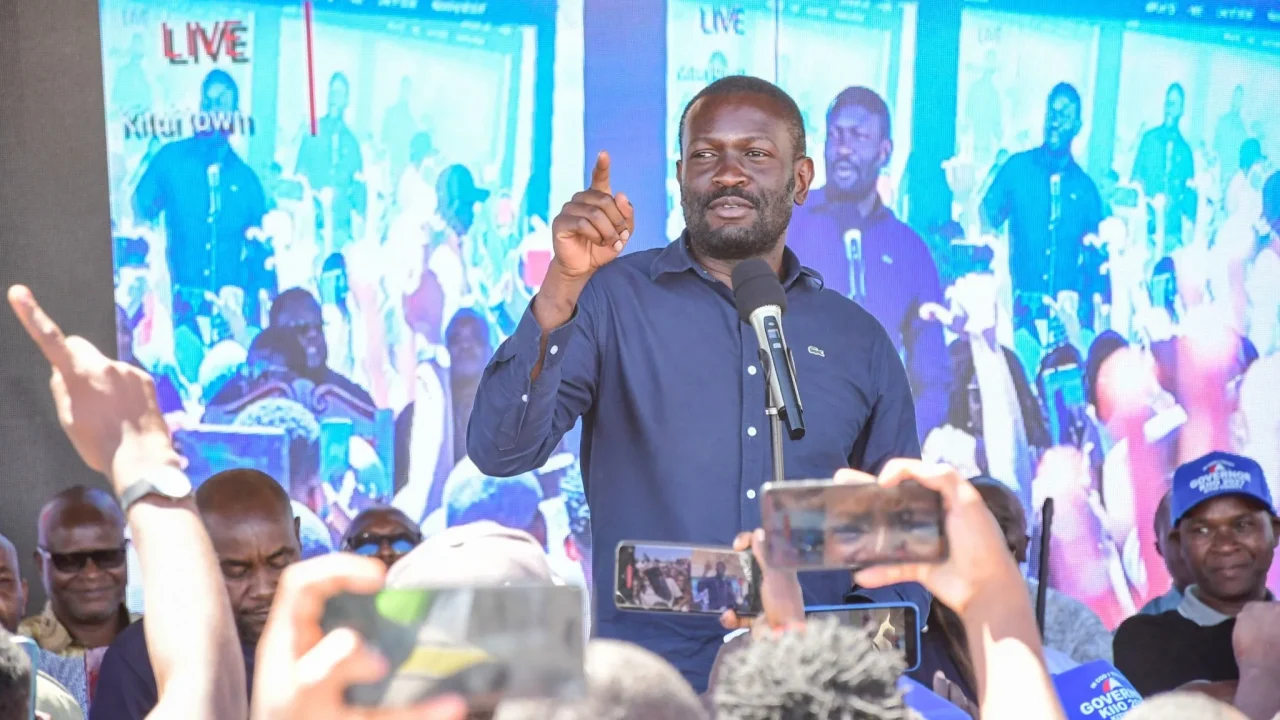
Nairobi Senator Edwin Sifuna has expressed optimism about Kenya’s 2027 polls.
The Nairobi senator points to Serbia’s student protests and Lula’s comeback victory in Brazil as reasons to believe Kenya can see political change.
Nairobi Senator Edwin Sifuna says developments in Serbia and Brazil have strengthened his optimism about Kenya’s 2027 election. The Linda Mwananchi Movement presidential aspirant challenged claims that unexpected electoral outcomes cannot happen.
In a statement, Sifuna urged those dismissing electoral surprises to consider political developments in the two countries. He also invoked his faith, expressing hope that Kenya could experience a similar shift at the polls.
Sifuna’s 2027 election outlook
Sifuna argued that the developments abroad offered encouragement as he looked ahead to Kenya’s next general election. His message centred on the possibility of political change despite doubts about the prospects of an electoral upset.

The remarks come as political formations position themselves for the August 2027 General Election. Meanwhile, questions about opposition unity and the prospect of a leadership change remain part of the emerging contest.
Serbia’s student movement challenges establishment
In Serbia, a student-led anti-government movement emerged after a deadly railway-station canopy collapse in Novi Sad. The November 2024 disaster killed 16 people and triggered protests demanding accountability over alleged corruption.
The movement subsequently became a focal point for opposition to the ruling political establishment associated with President Aleksandar Vučić. Sifuna cited developments in Serbia as part of his wider argument about the potential for political shifts.
Lula reverses first-round deficit in Brazil
In Brazil, President Luiz Inácio Lula da Silva secured re-election in the October 25, 2026 presidential run-off. He defeated conservative challenger Flávio Bolsonaro despite trailing him in the first round.
Brazil’s electoral authority put Lula’s share at 51.79 per cent of valid votes, against Bolsonaro’s 48.21 per cent. The result therefore showed a candidate overcoming an initial deficit to win the decisive vote.
While Serbia’s developments centred on a protest movement, Brazil’s involved a presidential election victory. Sifuna drew encouragement from both as he expressed hope for political change in Kenya.