From drone guards to gaming terrain, home printers can cut accessory costs, but buyers need to weigh equipment prices, materials and regular use.
3D printing savings can add up for hobbyists who regularly buy replacement parts, accessories or custom models. Drone flying, gardening and garage projects, home automation, photography and tabletop gaming all offer opportunities to print rather than purchase.
However, cheaper individual items do not automatically make a printer a worthwhile investment. Buyers need to compare equipment and material costs with how often they will use it.
Calculating 3D printing savings before buying
Entry-level machines such as the Creality Ender-3 V3 SE start at about $170, while more advanced systems reach $700 or more. Filament, the material most home printers use, starts at around $20 per kilogram.
For example, producing 50 items that would otherwise cost $10 each could offset a $170 printer and $20 of filament. However, buyers should also consider their skills and actual running costs before committing.

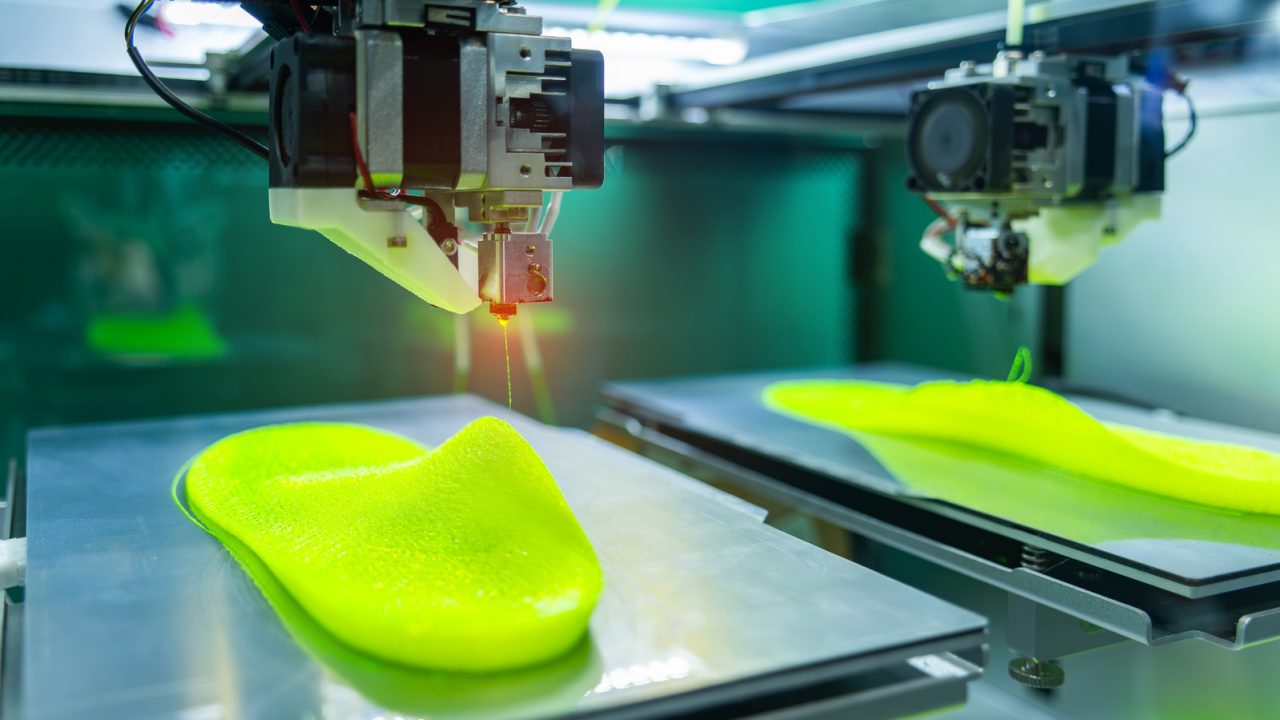
Most home machines build objects by pushing plastic filament through a heated nozzle, following digital designs. Libraries and maker spaces sometimes offer printer access, while online services charge to produce items. Trying someone else’s machine first can therefore help buyers assess its usefulness.
Practical parts for drones, gardens and smart homes
Drone and remote-controlled vehicle enthusiasts can print camera mounts, antenna guards and arm protectors. Because crashes can mean repeated replacements, making these accessories may cost less than ordering them.
However, flight-critical components such as propellers need validated materials, designs and strength before use. Potential savings should not override that requirement.
Meanwhile, gardening and garage projects offer another range of uses: plant signs, clips, planters, soil dibbers and tool organisers. Printing can also help replace hard-to-find interior car fittings or broken knobs, especially when shops sell parts in unnecessarily large packs.
For home automation enthusiasts, useful projects include cable organisers, hub shelves and tablet wall mounts. Custom housings for near-field communication stickers can also turn simple smart-home controls into purpose-made buttons or guest Wi-Fi signs.
Camera accessories and gaming models
Photography and video enthusiasts can make lens caps, cable clamps, battery holders and custom microphone or lighting mounts. Moreover, editing digital designs lets users create specialised accessories for a particular shot rather than buying ready-made equipment.
Tabletop gamers and model railway enthusiasts can also print characters, buildings, trees and terrain. However, users seeking fine detail in miniature figures may prefer a resin printer over a filament-based machine.
Space matters alongside price. Printers need plenty of ventilation, so lounges and bedrooms are unsuitable locations. Ultimately, the strongest case for ownership rests on repeated use: making useful items often enough to justify the hardware and ongoing costs.