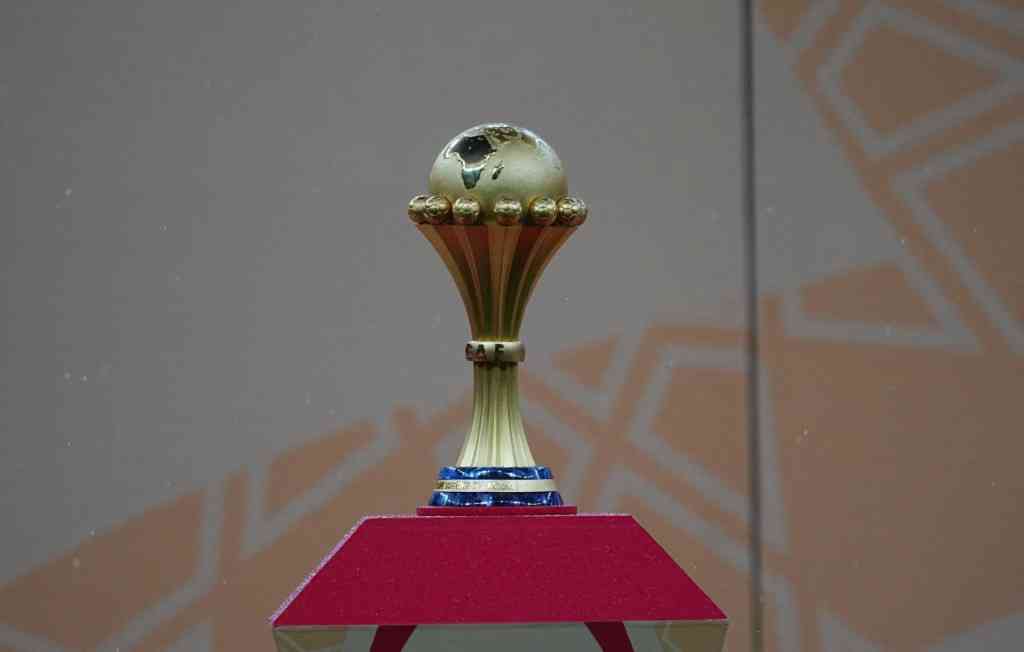
Kenya, Tanzania and Uganda will jointly host AFCON in 2027.
CAF’s Executive Committee unanimously reverses the four-year plan, citing financial concerns over the proposed Africa Nations League.
The Confederation of African Football (CAF) has restored the AFCON two-year cycle, reversing its plan for a four-year schedule. Its Executive Committee unanimously approved the change, which CAF announced on Thursday, October 29.
Kenya, Tanzania and Uganda will jointly host the next Africa Cup of Nations in 2027. The revised calendar also lists tournaments in 2028, 2031 and 2033, with an adjustment around the 2030 FIFA World Cup.
Why CAF restored the AFCON two-year cycle
CAF unveiled the four-year proposal last year, alongside plans for a new Africa Nations League. Under that arrangement, the proposed competition would have taken AFCON’s place as Africa’s biennial national-team tournament.

However, CAF raised concerns about how long the replacement competition would need to become financially viable. It also questioned when the tournament could generate substantial revenue to support football development across Africa.
CAF president Patrice Motsepe said the decision served African football, its 54 member associations and players at clubs outside Africa. He described the proposed Nations League as a competition intended to mirror the existing AFCON.
Motsepe also said the new tournament would need several years to deliver the necessary financial and development contributions. Those contributions would help African football and CAF competitions become globally competitive and financially self-supporting.
East Africa hosts next tournament in 2027
The 2027 edition will bring the continental tournament to Kenya and its East African co-hosts. Another edition will follow in 2028, before a three-year gap to the 2031 tournament.
That gap will avoid a clash with the 2030 World Cup. Motsepe said FIFA’s tradition prevents AFCON and other confederations’ national-team finals from taking place in a World Cup year.
Meanwhile, the return to more frequent tournaments could renew concerns among European clubs and other teams outside Africa. Those clubs regularly release key African players for international duty during AFCON.
Under the abandoned four-year arrangement, clubs would have faced those AFCON absences less often. The reversal instead restores the tournament’s traditional frequency, alongside the announced calendar adjustments.