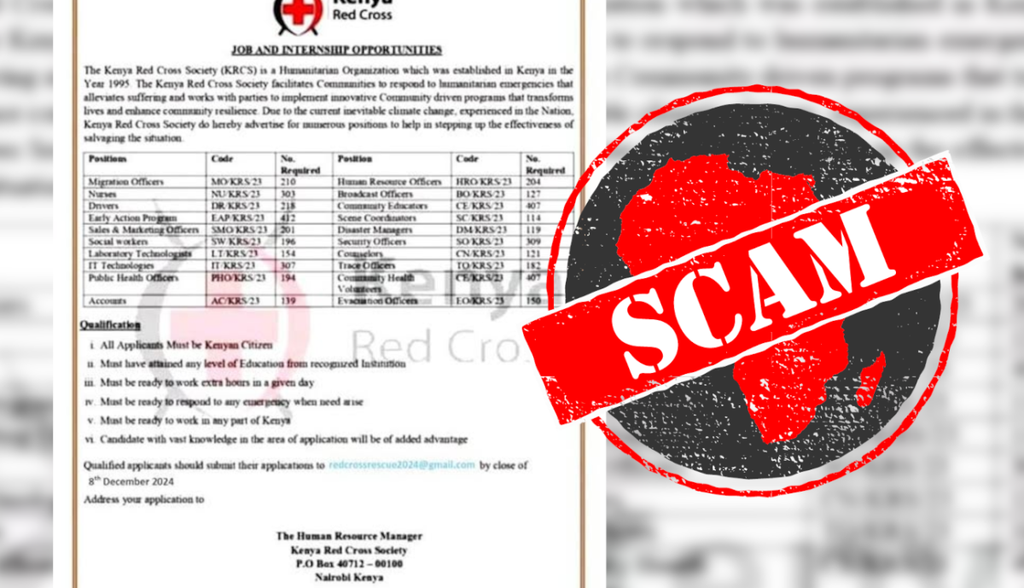



Job hunting can be exciting, especially when a company sends you an offer.
But what looks like a dream job could be a carefully planned scam.
Job scammers now use fake websites, social media accounts and convincing offer letters. Some even impersonate recruiters from well-known companies.
They often target desperate job seekers with promises of quick hiring and huge salaries.
However, you can spot most fake job offers if you know what to check.
The Golden Rule of Job Scams
The biggest warning sign is simple.
A genuine employer should not ask you to pay money to get a job.
Be cautious if someone demands money for training, registration, interviews, uniforms or recruitment fees.
You should also question anyone who sends you money and asks you to buy equipment from a specific supplier.
That could be part of a fake-check or payment scam.
7 Red Flags of a Fake Job Offer
1. You Get Hired Without a Proper Interview
Did you apply for a job and receive an offer within hours?
Be careful.
Most legitimate employers have a recruitment process. This may include interviews, assessments and background checks.
A recruiter who only wants to communicate through WhatsApp or Telegram should also raise concern.
2. The Salary Sounds Too Good
Scammers often use huge salaries to attract job seekers.
For example, an entry-level online job may promise hundreds of thousands of shillings every month with no experience.
Before getting excited, compare the salary with similar jobs.
If the offer looks unrealistic, investigate it further.
3. They Ask You to Pay First
This is one of the biggest red flags.
A scammer may ask you to pay for training, registration, software, equipment or processing.
They may even claim the payment is refundable.
Do not send money simply because someone promises you a job.
4. The Email Address Looks Suspicious
Check the recruiter’s email carefully.
A scammer may use an address that looks similar to a real company.
For example, a fake recruiter could create a domain that resembles the company’s official website.
Do not trust an email simply because it contains a company logo or professional-looking signature.
5. They Demand Your Personal Details Immediately
Legitimate employers may eventually need identification and banking information.
However, you should be careful about sharing sensitive information too early.
Do not send copies of your ID, bank details, passwords or other sensitive documents to an unverified recruiter.
6. The Job Does Not Appear on the Company’s Website
This is an easy check that many job seekers overlook.
If someone claims to represent a major company, visit the company’s official website yourself.
Search its careers section for the advertised position.
If the job does not exist anywhere on the company’s official platforms, investigate before proceeding.
7. The Recruiter Creates Pressure
Scammers do not want you to think.
They may tell you that the position will disappear within minutes or that you must pay immediately to secure it.
That pressure is deliberate.
Take your time and verify the opportunity independently.
A genuine employer should not need to rush you into sending money or sensitive information.
How to Verify a Job Offer
Before accepting an offer, take five simple steps.
First, search the company online. Add words such as “scam”, “fraud” or “fake job” to your search.
Second, visit the official company website. Do not rely only on a link sent by the recruiter.
Third, verify the recruiter. Check their LinkedIn profile and employment history.
Fourth, contact the company independently. Use contact details from its official website instead of the number provided by the recruiter.
Finally, check reviews and complaints. Other job seekers may have already reported the same scam.
What If You Have Already Sent Money?
Do not panic, but act quickly.
Contact your bank or mobile money provider immediately if you sent money to a scammer.
Explain what happened and ask about available fraud or transaction-reversal options.
If you shared sensitive personal information, secure your accounts and monitor them for suspicious activity.
You can also report suspected cybercrime to the relevant Kenyan authorities.
Most importantly, stop communicating with the scammer.
Protect Yourself Before Accepting Any Job
A job offer should give you confidence, not pressure you into making an urgent payment.
Always verify the employer, recruiter and job advertisement before sharing sensitive information.
Remember, you should never have to pay someone simply for the privilege of getting a job.
A few minutes of verification could save you thousands of shillings and protect your identity.