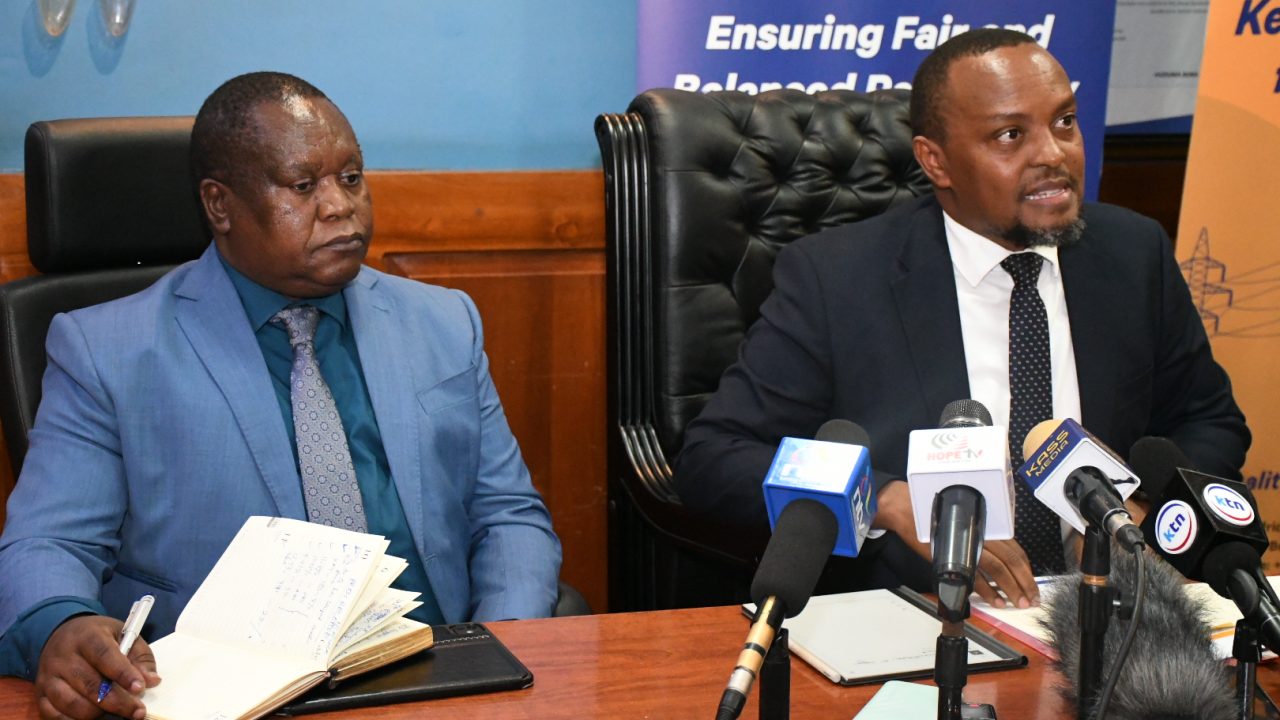
EPRA defended its pricing independence during an Energy Committee meeting in Naivasha.
EPRA Director General Edward Kinyua rejects external influence as MPs press for better public explanations and stronger action against fuel adulteration.
The Energy and Petroleum Regulatory Authority (EPRA) has defended its fuel pricing process after MPs questioned its public communication. Director General Edward Kinyua told the National Assembly’s Energy Committee that external interests do not influence the regulator’s decisions.
The committee met in Naivasha, Nakuru County, to review implementation of the 2025/2026 energy sector budget. MPs also pressed EPRA to explain fuel prices and shortages more clearly, including how global developments affect local costs.
The defence came about a fortnight after EPRA raised petroleum prices amid tensions in the Middle East. Petrol rose by Ksh12.93 per litre, diesel by Ksh9.90 and kerosene by Ksh28.49.

Following those increases, Nairobi’s pump prices reached Ksh226.96 per litre for super petrol and Ksh227.76 for diesel. Kerosene, meanwhile, costs Ksh219.87 per litre.
MPs seek clearer fuel pricing explanations
Kinyua said EPRA had begun engaging television stations and vernacular media to explain developments in the petroleum sector. The outreach aims to help consumers understand the factors behind changes in pump prices.
He also said the authority would undertake public participation whenever necessary as part of its engagement with consumers and other stakeholders.
Committee chair and Nakuru Town East MP David Gikaria urged EPRA to use vernacular radio stations. He said these stations could reach Kenyans who may not access pricing information through mainstream media.
Beyond communication, Gikaria called for stronger enforcement against petroleum adulteration. He warned that the practice threatens fuel quality and undermines consumer protection, urging officials to bring it under control.
Petroleum department explains budget delays
Meanwhile, the State Department for Petroleum told MPs that procurement and project implementation delays had affected its budget spending. It highlighted the LPG distribution programme among the planned projects facing delays.
The department reported that it had absorbed 86 per cent of subsidy funds. It cited late submission of oil marketers’ claims to EPRA for the June 15–July 14, 2026 pricing cycle.
That cycle recorded fuel price stabilisation costs of Ksh10.3 billion, with the funds received in July 2026.
Separately, Petroleum Principal Secretary Kello Harsama explained the government’s decision to engage a private developer for the proposed oil refinery. He said the required investment was too expensive for the country to undertake independently.