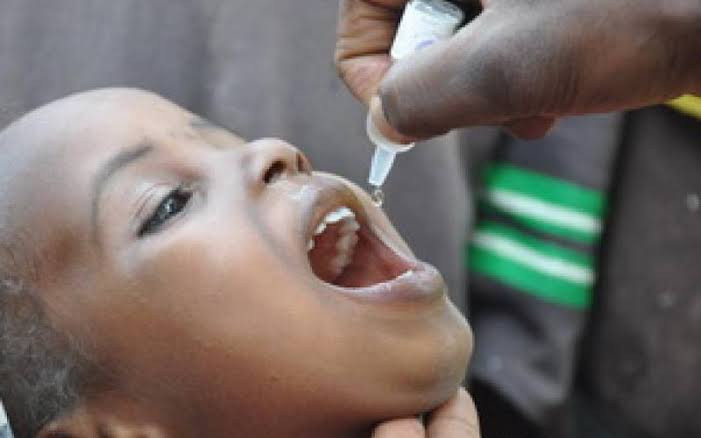
Dr Josphine Okwoyo urges parents to check vaccination records and seek catch-up advice when children miss scheduled doses.
Missed polio vaccines leave children at risk of permanent paralysis, prompting renewed calls for parents to complete immunisation schedules. Dr Josphine Okwoyo urges families to seek catch-up advice rather than abandon vaccination after a missed appointment.
The appeal came as the world marked World Polio Day on Friday under the theme Together, We End Polio. Although global cases have fallen sharply, the virus remains a threat wherever transmission continues.
Missed polio vaccines: seek catch-up advice
Kenya’s national immunisation schedule includes oral polio vaccine drops and an injectable inactivated polio vaccine. Parents should therefore check their children’s vaccination cards and ask health workers to confirm completion of all required doses.
Dr Okwoyo advises families to keep those records and attend every scheduled clinic visit. Each dose helps build protection, so parents whose children miss one should visit a health facility.

Health workers can assess the doses a child has already received and advise on a catch-up schedule. Parents should also bring whatever vaccination records they have when returning to the clinic.
The two vaccines provide complementary protection. While the injectable vaccine protects against paralytic disease, oral drops also build intestinal immunity, helping reduce transmission.
How polio spreads and affects children
Dr Okwoyo describes polio as a viral illness that can attack the nervous system. Most infected people have no symptoms or only mild, flu-like illness, but some develop permanent paralysis.
The virus spreads mainly through contact with infected faeces or contaminated food and water. Poor sanitation, inadequate handwashing and contaminated surfaces also increase infection risks.
Doctors assess symptoms and use laboratory tests, particularly stool samples, to diagnose the disease. However, polio has no cure, and treatment focuses on managing symptoms and complications.
The World Health Organization estimates that one in 200 infections causes irreversible paralysis. Among people who become paralysed, five to 10 per cent die when the disease immobilises their breathing muscles.
Maintaining protection across communities
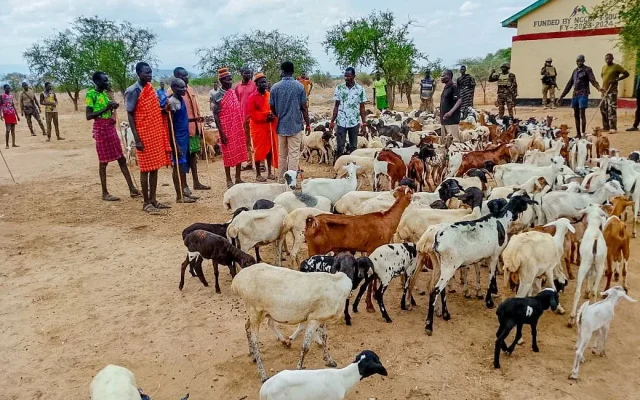
Kenya’s progress depends on sustaining vaccination coverage, including in communities with limited healthcare access. Remote areas, informal settlements and mobile populations therefore remain important to immunisation efforts.
Globally, polio cases have declined by more than 99 per cent since 1988. However, health experts warn that the risk persists until transmission stops everywhere, making completion of recommended doses essential.