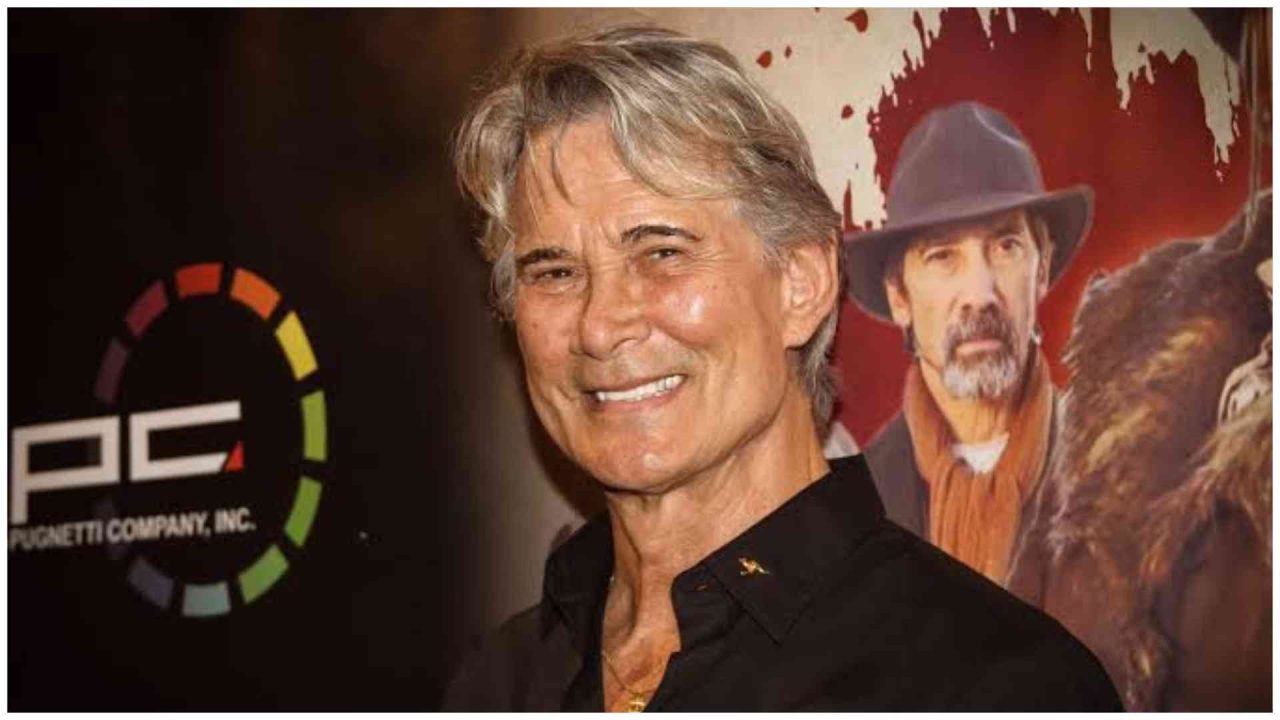
Richard Norton worked as an actor, martial artist, stuntman and fight choreographer.
An Australian coroner has urged a safety review after linking the actor’s fatal cardiac arrest to experimental peptide treatment.
Australian actor and stuntman Richard Norton died from complications linked to unapproved peptide injections, a Victorian coroner has found. Norton, 75, died at Melbourne’s Alfred Hospital on March 30, 2025, after suffering cardiac arrest.
Coroner David Ryan released his findings on October 28, 2026. He attributed the cardiac arrest to complications from two peptide products, CJC-1295 and Ipamorelin, which a medical practitioner prescribed.
Norton’s career spanned decades as a martial artist, actor, stuntman and fight choreographer. He worked alongside Chuck Norris and Jackie Chan, with credits also including Mad Max: Fury Road and Suicide Squad.

Richard Norton sought treatment for pain and fatigue
Norton approached Dr Jerzy Muchnicki seeking treatment for fatigue, shoulder pain, reduced physical recovery and muscle loss. He had also undergone reconstructive surgery on both shoulders and wanted to improve his physical condition.
After medical assessments and discussions about the treatment’s experimental nature, Norton signed an informed consent form. The document outlined potential benefits and risks before he received the injections on March 19, 2025.
However, investigators found that Norton had taken twice the prescribed dosage. On March 28, he told a clinic nurse that he had been doubling his injections. The nurse advised him to resume the recommended dose.
Hours later, Norton administered another injection, became hot and flushed, and then lost consciousness. He died in hospital two days later.
Coroner calls for tighter peptide controls
Ryan recommended that Australia’s Therapeutic Goods Administration review the safety and therapeutic benefits of the substances. He also urged the regulator to consider tighter restrictions, including limiting their use to clinical trials and experimental settings.
The coroner questioned whether doctors should retain the option to prescribe these products. His concerns centred on the limited evidence supporting their safety and effectiveness.
Meanwhile, a Medical Board of Australia investigation found insufficient evidence that either peptide was safe, effective or beneficial for humans. Muchnicki acknowledged shortcomings in his clinical record-keeping and received a caution, alongside conditions requiring further training.
The findings raise concerns about experimental substances promoted for muscle growth, recovery and anti-ageing. Ryan’s recommendations place their safety and continued availability for prescription under scrutiny.