

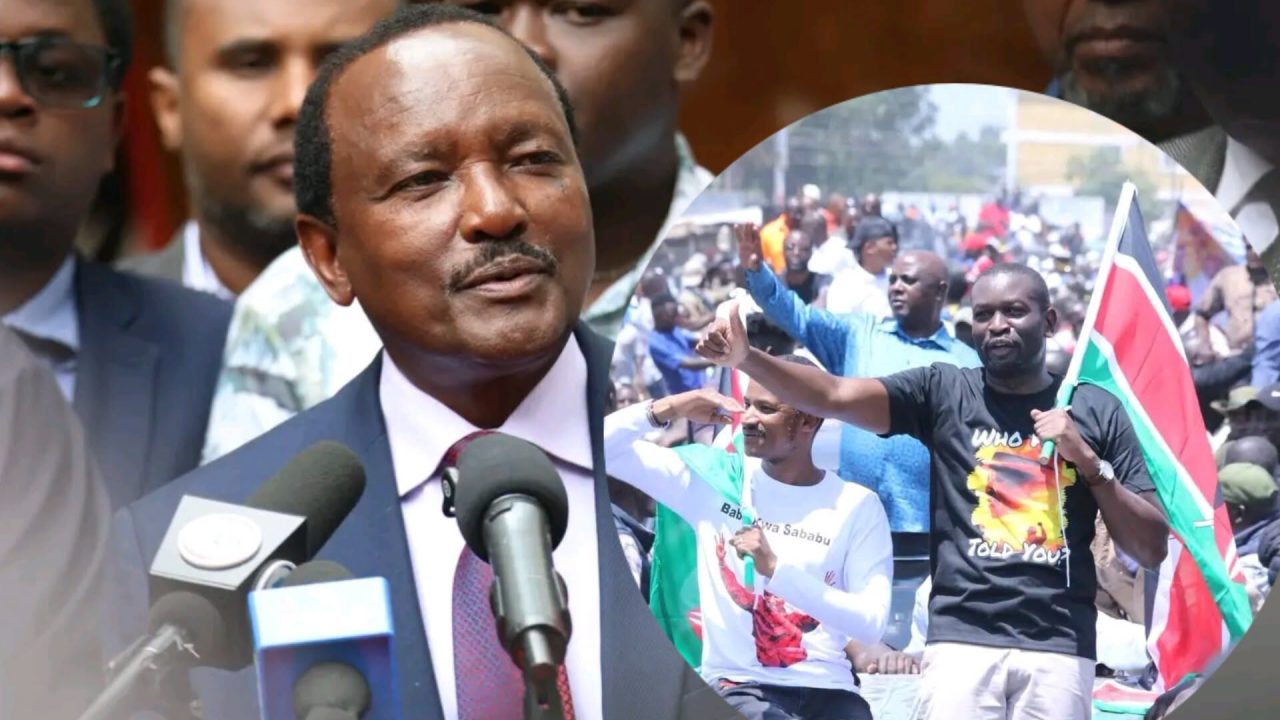
Kenya’s opposition entered the 2027 race promising unity.
But barely months into the political preparations, cracks are becoming increasingly difficult to ignore.
From the Ukombozi name battle to competing presidential ambitions, opposition leaders are now facing questions about who controls the movement and who gets to lead it into the next election.
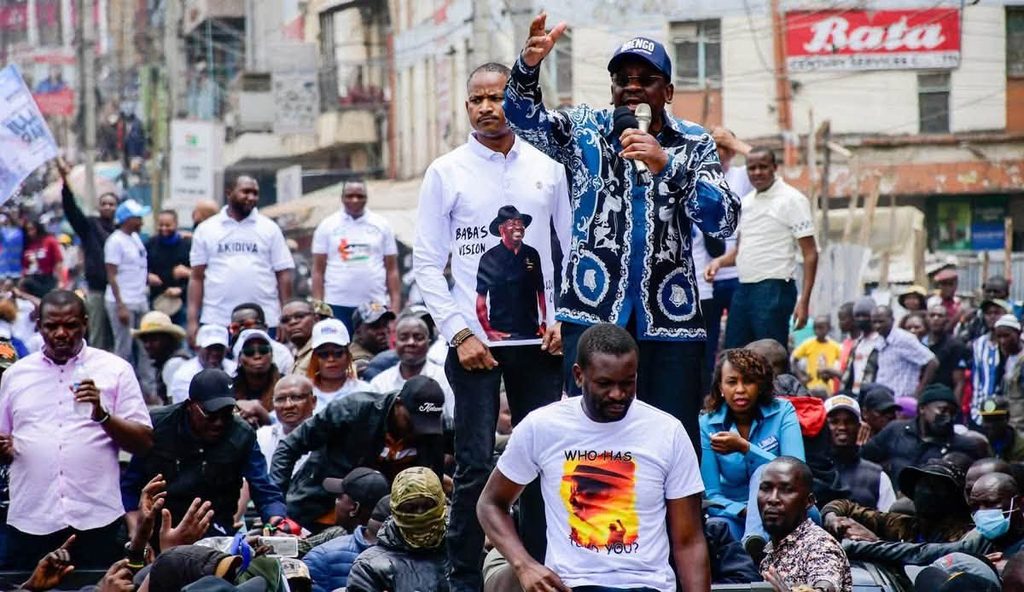
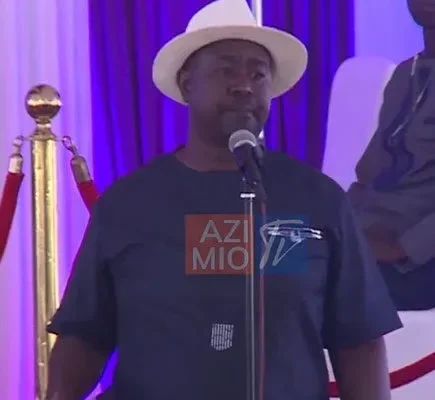
At the centre of the latest storm are Wiper leader Kalonzo Musyoka, Nairobi Senator Edwin Sifuna, Trans Nzoia Governor George Natembeya, Siaya Governor James Orengo and Embakasi East MP Babu Owino.
Ukombozi Fight Exposes Fault Lines
The latest disagreement erupted after Azimio la Umoja was rebranded as the Ukombozi Alliance.
Kalonzo announced the new political identity on September 21 as opposition leaders prepared for the 2027 contest.
But the move immediately triggered a dispute with allies of Sifuna and Natembeya.
Their camp had been pursuing the Ukombozi People’s Party as a possible political vehicle for the Linda Mwananchi movement.
The Office of the Registrar of Political Parties rejected the proposed name, saying it resembled The Ukombozi Alliance.
Natembeya’s party has since asked the Registrar to revoke Kalonzo’s alliance name and allow its registration process to continue.
That dispute has turned a simple party-registration issue into a much bigger political confrontation.
Trouble Inside Linda Mwananchi
The problems do not stop with Kalonzo’s camp.
Linda Mwananchi itself is facing competing ambitions over its leadership, presidential candidate and political vehicle.
Sifuna has emerged as a prominent figure within the movement and is expected to unveil his political vehicle on October 3.
Babu Owino, meanwhile, has launched the Mwananchi Party and previously said he supports Sifuna’s presidential ambitions.
However, disagreements have emerged over which party should carry the movement into 2027.
The situation became even more complicated after Orengo expressed his own presidential ambitions.
That has raised questions about whether the movement can maintain a single political direction while accommodating multiple senior leaders.
The Old Guard Meets a New Generation
The latest disputes also reveal a broader generational and strategic contest within the opposition.
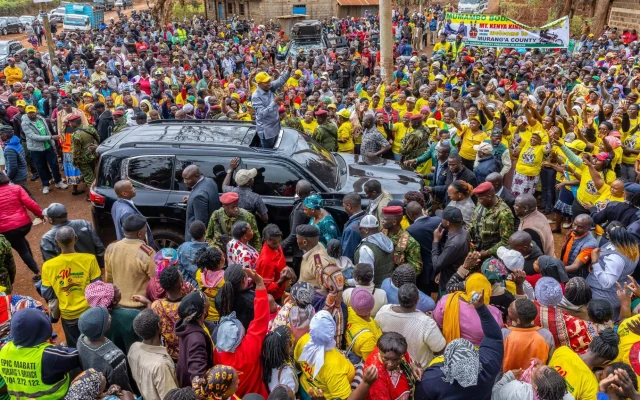
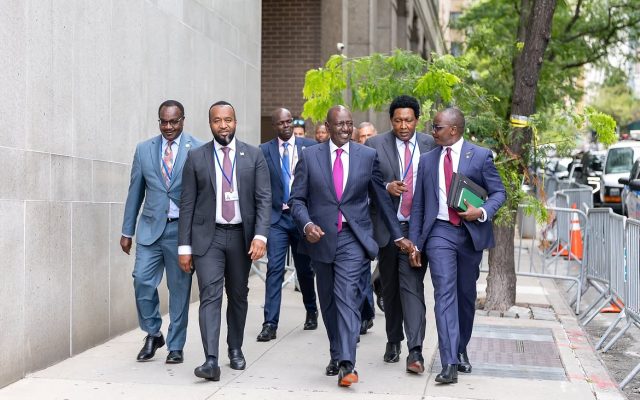
Kalonzo and other established opposition leaders are building a formal coalition under the Ukombozi Alliance.
At the same time, Linda Mwananchi has attracted younger politicians and supporters seeking a different political vehicle.
The two approaches now have to find common ground.
The Ukombozi dispute has therefore become about more than a name.
It touches on political ownership, leadership, party structures and the 2027 presidential ticket.
Can the Opposition Stay United?
The opposition still has room to negotiate.
Babu has publicly maintained that disagreements over the political vehicle have not changed his support for Sifuna.
Kalonzo’s camp has also maintained that the broader objective remains opposition unity.
But the coming weeks could test those assurances.
With Sifuna preparing to unveil his political vehicle and the Ukombozi dispute still unresolved, opposition leaders face major decisions.
Will they build one broad coalition?
Will several political formations compete under a common opposition arrangement?
Or will competing ambitions eventually pull the opposition in different directions?
For now, the biggest battle may not be opposition versus government.
It may be opposition versus opposition.