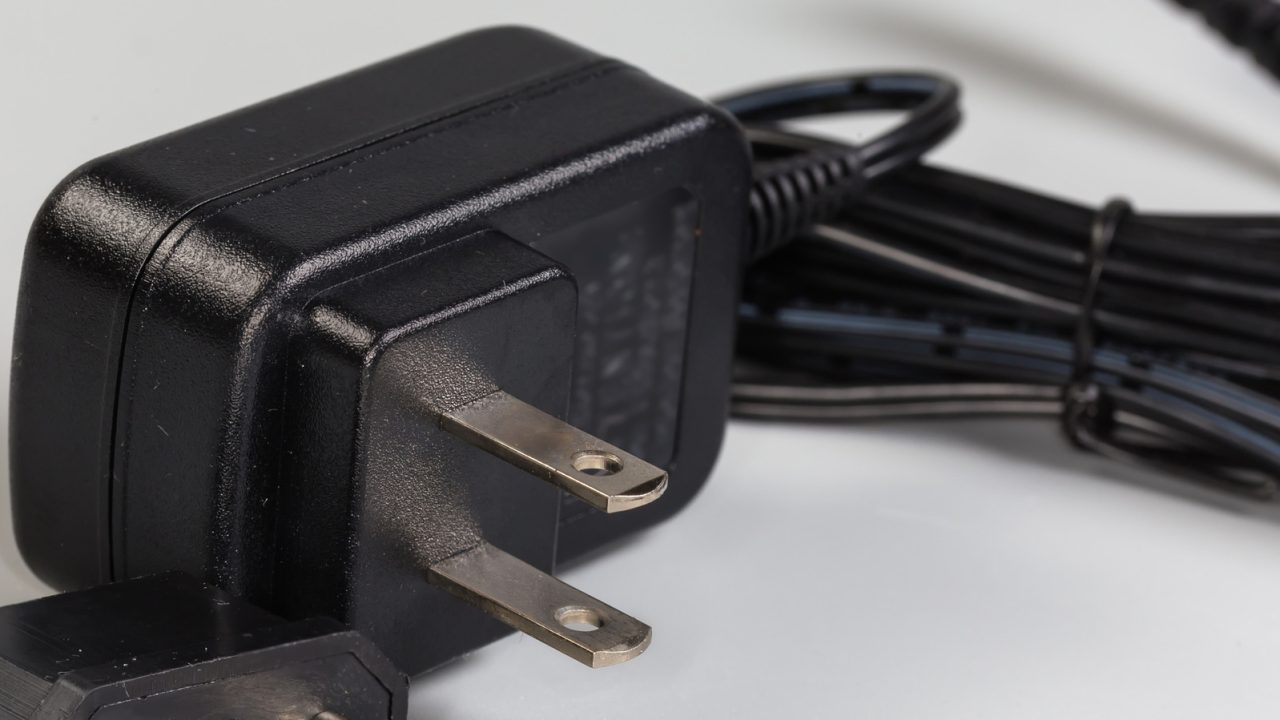
Holes in electrical plug blades help manufacturers align components during assembly.
The small openings help manufacturers align plug blades, while modern sockets can hold plugs securely without them.
Plug prong holes mainly help manufacturers position metal blades during production, rather than keep plugs secure in modern sockets. The openings once helped sockets grip plugs, but changes to electrical standards removed that need.
Today, the holes remain useful for assembly and can also support safety lockout tags. However, they do not provide openings for electrical current, and solid blades can work without them.
How plug prong holes help manufacturers
During manufacturing, a worker can pass an alignment rod through the holes to hold the blades steady. Plastic then forms around the assembly, keeping the metal components in their intended positions.

This gives manufacturers a simple way to maintain alignment while making a plug. However, companies do not all follow the same production process, so the holes remain an optional design feature.
Their earlier household purpose involved a small raised feature inside the socket, known as a detent. The National Electrical Manufacturers Association says this feature engaged with the hole to help retain the plug.
Later, Underwriters Laboratories revised receptacle standards to require sockets to hold plugs without relying on those holes. The requirements also limited the force needed to remove a plug, using a test gauge without holes.
Why solid plug blades still work
Most manufacturers stopped adding the matching raised features inside sockets because they offered no help in meeting minimum requirements. They also made plugs harder to pull out. However, manufacturers continued making holes in many plug blades.
Modern sockets grip the blades themselves, so a plug does not need holes to stay in place. Meanwhile, perforated blades remain compatible with older receptacles that use the original retaining mechanism.
A plug with solid blades is therefore not defective simply because it lacks holes. In a suitable socket, those blades still make electrical contact and complete the circuit.
If manufacturers choose to include holes, they must follow the specified dimensions and lead-in shape for compatibility. Buyers do not need to seek out perforated blades or drill openings into solid ones.
Instead, the condition of the connection matters. A plug that slips out with little resistance probably points to wear in the receptacle, rather than missing prong holes. Replacing that receptacle addresses the problem; power must be off at the breaker before replacement work begins.