Scholarship providers discussed coordinating student funding at a meeting in Nairobi.
The Universities Fund wants public and private sponsors to share beneficiary information, reduce overlapping awards and reach more students.
The Universities Fund has proposed a shared scholarship database to coordinate student support amid a projected Sh16.9 billion funding shortfall. The system would link government programmes with private sponsors to reduce duplicate awards and reach students without assistance.
For the 2026/2027 financial year, the Fund projects scholarship needs of Sh47 billion against a Sh30.1 billion allocation. That allocation would cover about 64 per cent of requirements, leaving a deficit of approximately 36 per cent.
How the shared scholarship database would work
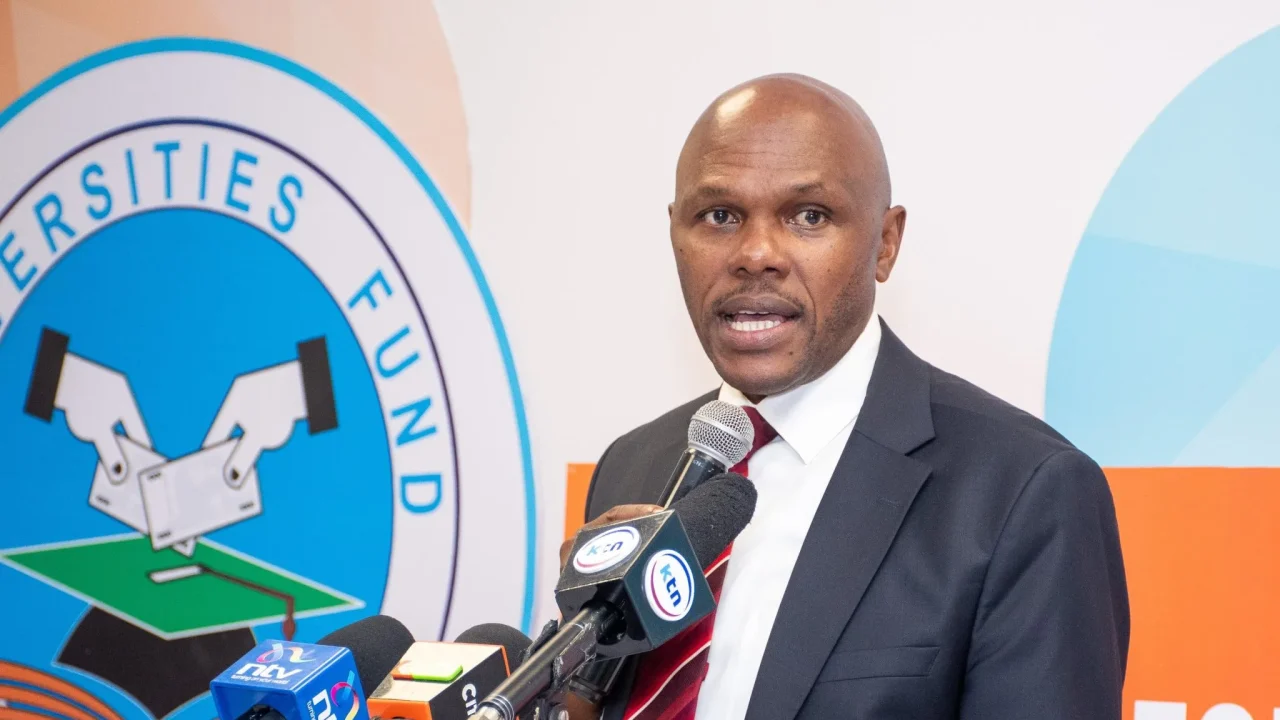
Acting Chief Executive Officer Edwin Wanyonyi outlined the proposal during a Nairobi meeting of scholarship and bursary providers. He urged funding organisations to coordinate their work rather than operate independently.

Wanyonyi said some students receive support from several organisations, while others receive too little or nothing. As a result, available funding does not reach all learners who need financial help.
The proposed system would bring together government agencies, corporate foundations, non-governmental organisations and other private sponsors. Participating organisations could check how much assistance a student already receives before awarding additional scholarships.
It would also help sponsors identify learners who have not received support and distribute resources more equitably. The proposal would build on the Fund’s existing role in managing student funding information.
However, stakeholders said the system would need safeguards for students’ personal information under the Data Protection Act, 2019.
Better coordination cannot close the funding gap
Under the Student-Centred Funding Model, the Fund expects approximately 608,879 students to benefit from scholarships in 2026/2027. The projection reflects growing demand for financial assistance as university enrolment increases.
Although the database could reduce overlapping awards, it would not independently close the government scholarship programme’s funding deficit. Additional funding would still be necessary to meet the full projected cost.
Meanwhile, the effect on individual students will depend on funding distribution, eligibility assessments and any additional allocations during the year.
Sponsors explore wider cooperation
Participants also discussed joint awareness campaigns to help students learn about available funding opportunities. Other discussions covered resource mobilisation and partnerships to expand scholarship coverage.
The deliberations are expected to inform a framework for continued collaboration among scholarship and bursary providers. Wanyonyi said stronger cooperation would help ensure financial hardship does not deny qualified students access to university education.