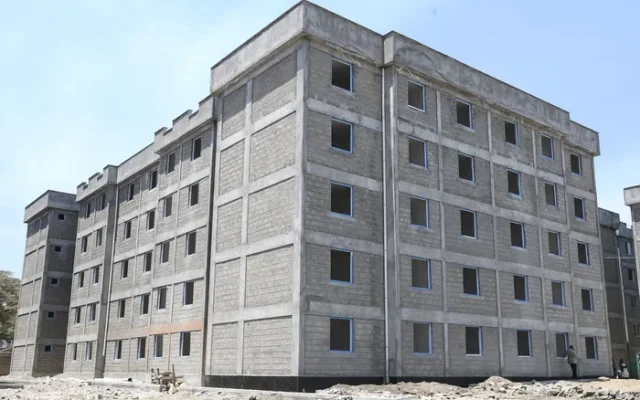


County governments play a key role in bringing public services closer to Kenyans. The 47 counties manage functions such as county roads, waste management, markets, public health and local infrastructure.
To fund these services, counties rely on national allocations and revenue collected locally. For residents and businesses, some of the most common county payments include land rates, business permits, parking fees and other service charges.
Understanding these payments can help you avoid penalties, delays and unnecessary disputes.
How County Revenue Works
County governments collect revenue from different sources. These include property rates, business permits, parking charges, market fees, licences and other approved charges.
The exact fees vary between counties. Each county therefore publishes its own legislation, tariffs and revenue schedules.
For Nairobi, the county currently has a Tariffs and Pricing Policy for 2025–2030, alongside its Finance Acts and other revenue laws.
Land Rates: What Property Owners Should Know
Land rates are charges imposed on qualifying properties within a county. The amount payable depends on the applicable county laws, valuation system and property classification.
Nairobi has previously used flat-rate structures for some categories of land.
For example, the Nairobi City County Finance Act 2022 listed annual charges of:
- KSh2,560 for land not exceeding 0.1 hectares
- KSh3,200 for land above 0.1 but not exceeding 0.2 hectares
- KSh4,000 for land above 0.2 but not exceeding 0.4 hectares
- KSh4,800 for land above 0.4 hectares.
However, property owners should not assume these figures are the current 2026 bill. Nairobi has since continued reviewing its tariffs and revenue framework. The county’s current 2025–2030 Tariffs and Pricing Policy means property owners should confirm the amount appearing on their latest official bill before paying.
Why Land Rates Matter
Keeping up with land-rate payments can be important when dealing with property transactions. Property owners may need to obtain a rates clearance certificate to demonstrate that outstanding county rates have been addressed.
Nairobi County maintains a dedicated rates administration service, with its Chief Accountant for Rates based at City Hall.
Property owners should therefore check their county rates account regularly and resolve outstanding balances early.
Unified Business Permit Explained
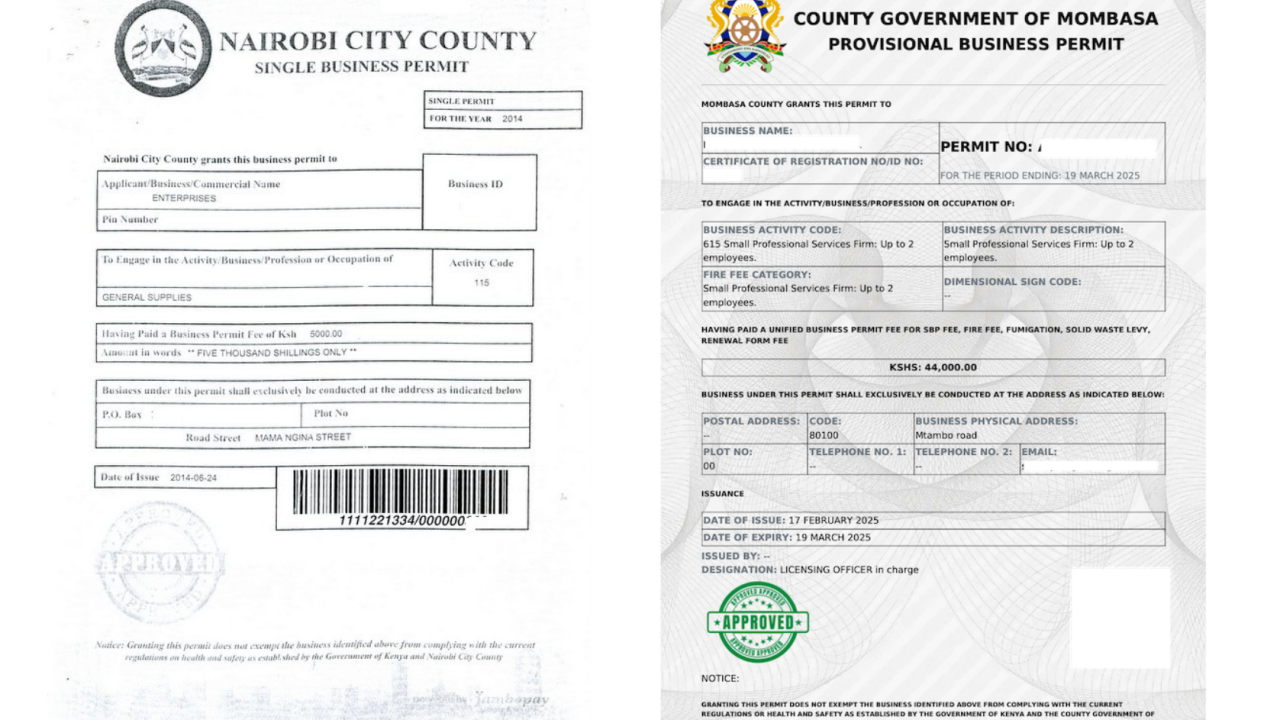
Businesses operating in Nairobi can access licensing services through the Unified Business Permit (UBP) system. The UBP was introduced to consolidate several county business-related licences and make the process easier for traders.
Instead of visiting different offices for separate licences, businesses can access multiple requirements through the unified system. The county has also continued digitising revenue collection and business services.

How Much Does a Business Permit Cost?
There is no single UBP fee for every business.
The amount can depend on factors such as:
- Type of business
- Business activity
- Location
- Size of premises
- Number of employees
- Other applicable county requirements
Because county tariffs can change, businesses should rely on the official assessment and invoice generated by the county system rather than generic figures circulating online.
Nairobi County has also been working to improve UBP compliance and address cases of undercharged permits.
How to Pay Nairobi County Revenue
Nairobi operates a no-cash policy for revenue collection. The county advises residents and businesses to pay through official revenue channels after obtaining their invoices.
Available channels include:
- NairobiPay e-services portal
- *USSD: 647#
- Official county revenue collection bank accounts
- City Hall Annex Customer Service Centre
- Sub-County Finance offices.
Residents should avoid handing cash to individuals claiming to collect county revenue.
If an officer demands cash, the county has advised residents to report the matter through its official channels.
What Residents and Businesses Should Do
Before making a county payment:
- Check the official county platform.
- Confirm your invoice and account details.
- Verify the applicable tariff.
- Use an authorised payment channel.
- Keep your electronic receipt or payment confirmation.
- Ask for clarification if the amount appears incorrect.
For Nairobi residents, the county also provides customer support through City Hall Annex and designated sub-county offices.
Why County Revenue Matters
County revenue helps governments finance local services and improve service delivery. Nairobi has been investing in digital revenue systems and reforms aimed at improving collection and reducing leakages.
The county has also linked stronger revenue collection to better service delivery and development. For residents, this makes understanding county charges more than a compliance issue. It also helps citizens understand how their payments contribute to local government operations.
Bottom Line
County governments rely on both national funding and locally collected revenue to deliver services. Land rates and business permits are among the key payments residents and businesses interact with.
However, county charges are not necessarily the same everywhere, and tariffs can change. Before paying, always check the latest official county bill, tariff or payment platform.
For Nairobi residents, using official digital channels such as *NairobiPay and 647# can also help reduce the risk of fraudulent payments.
Understanding how county revenue works can help you stay compliant, protect your money and access services more efficiently.